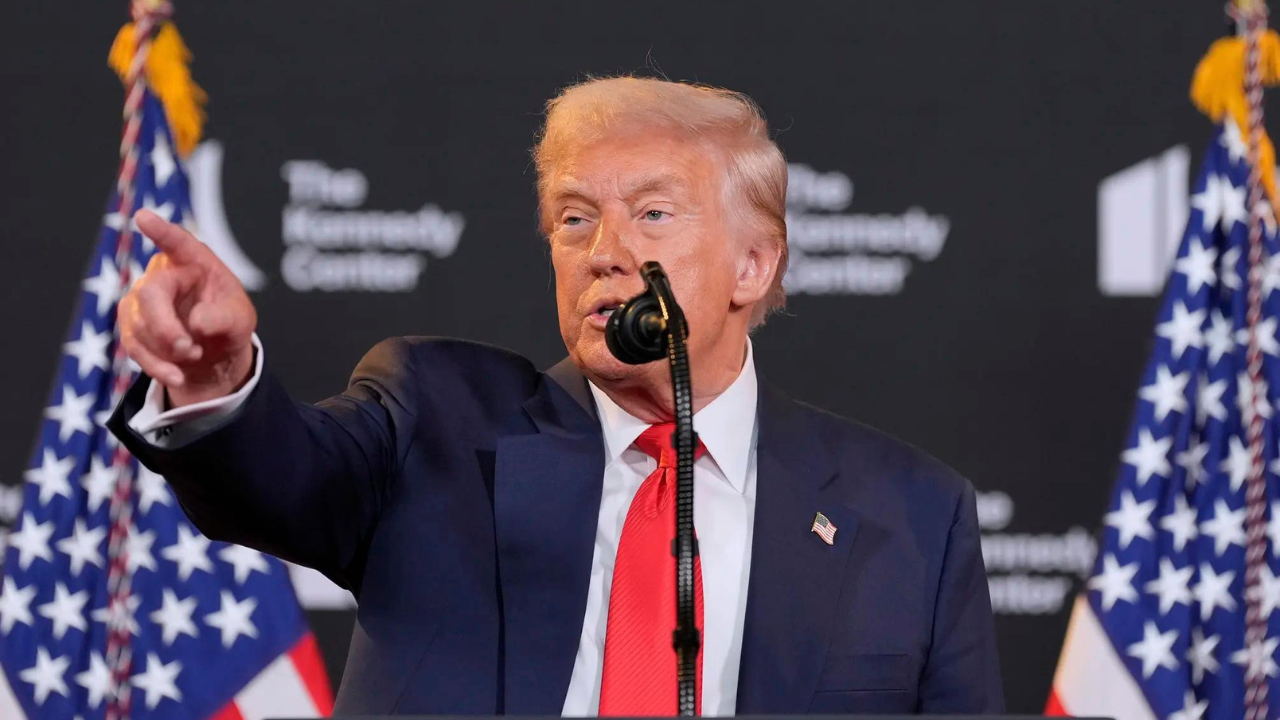
President Donald Trump has issued a blunt warning to Beijing, signaling that any move by China to supply advanced military hardware to Iran will result in severe consequences. This declaration arrives as U.S. intelligence suggests China may be preparing to route shoulder-fired anti-aircraft missile systems, or MANPADS, to Tehran. These weapons are notoriously difficult to track and could fundamentally alter the threat environment for American aircraft operating in the Middle East, even as both sides tentatively engage in diplomatic negotiations in Islamabad.
The core of this standoff involves the intersection of immediate tactical concerns and long-term geopolitical posturing. While a fragile two-week ceasefire has halted the most intense combat, intelligence assessments indicate that Tehran is utilizing this pause to replenish its depleted arsenal. The potential introduction of Chinese-made air defense systems would provide Iran with an asymmetric capability to counter U.S. air superiority, turning a regional skirmish into a more durable military challenge for the United States.
The Asymmetric Threat
MANPADS are lethal, portable, and easily concealed. Unlike large-scale radar-guided batteries that require significant logistical infrastructure and are easily targeted by SEAD (Suppression of Enemy Air Defenses) missions, these systems are essentially insurgent tools. They allow a small team to remain mobile, hide in rugged terrain, and strike at low-flying aircraft or helicopters with minimal warning.
For the U.S. military, the fear is not just the loss of hardware, but the psychological and operational constraint such weapons impose. If Iran possesses a high volume of these units, the freedom of movement for search-and-rescue teams, transport craft, and surveillance drones vanishes. The risk calculus changes instantly from high-intensity conflict to a permanent, low-level attrition battle that the United States is keen to avoid.
Decoding the Chinese Strategy
Beijing is currently performing a delicate diplomatic tightrope walk. Publicly, the Chinese embassy in Washington denies any involvement, maintaining that it does not supply arms to parties in the conflict and remains committed to its international obligations. This narrative serves the dual purpose of shielding China from immediate American sanctions and preserving its crucial energy ties with Iran.
However, the strategy behind the reported shipments suggests something far more nuanced than simple arms sales. Intelligence sources point toward the use of third-party intermediaries to mask the provenance of the equipment. By routing these items through other nations, Beijing retains a layer of plausible deniability. This is a common tactic in modern statecraft: provide the means for a partner to survive or harass a rival, without technically crossing the threshold into direct, overt military intervention that would invite a kinetic response from Washington.
For China, Iran remains a central component of its energy security architecture. Tehran's ability to exert influence over the Strait of Hormuz—the vital artery for global oil—directly impacts Chinese economic stability. A weakened, defeated Iran is an outcome Beijing prefers to avoid, leading to this covert support. They are not looking for a direct fight with the United States, but they are clearly unwilling to allow their primary Middle Eastern energy client to be neutralized.
The Diplomatic Smoke Screen
The ongoing talks in Islamabad offer a strange backdrop to this escalation. While Vice President JD Vance and his delegation sit across from Iranian officials, the reality on the ground remains hostile. President Trump’s dismissal of the negotiations—claiming the United States has already won regardless of the outcome—is intended to signal strength to both domestic and international audiences.
The threat directed at China serves as a reminder that the U.S. administration separates the immediate localized conflict from the broader great-power competition. Trump’s message is clear: the military phase of the Iran war may be reaching a stalemate or a conclusion, but the regional balance of power remains volatile. By calling out China now, the White House is setting the parameters for post-ceasefire security.
If these reports of missile transfers prove accurate, the administration will face a difficult choice. Direct sanctions against Chinese entities are possible, but they carry the risk of triggering retaliatory economic measures that could hurt the American recovery. Yet, allowing the transfer to proceed unchallenged would represent a significant failure of American deterrence in a region that the President maintains is already under U.S. control.
The ceasefire is currently a thin veil over a deeper, more entrenched competition. If MANPADS enter the hands of Iranian forces, the conflict will evolve into a game of hide-and-seek where the advantage shifts toward those who can move quietly in the shadows. The next few weeks will test whether Beijing is willing to risk a fundamental break in its relationship with Washington to sustain its regional influence, or if the threat of "big problems" is enough to keep the weapon shipments from leaving the factory floor.
The movement of these assets is not yet confirmed, but the intelligence is precise enough to force a decision. Whether or not a formal deal is reached in Pakistan, the shadow war continues. The true test of American resolve will not be found in the negotiating rooms of Islamabad, but in how the administration responds when the first shipment is detected in the field.