The narrow waters of the Strait of Hormuz remain a high-stakes flashpoint as Iran’s Islamic Revolutionary Guard Corps insists it holds decisive control over the vital energy corridor. Washington flatly rejects that claim. The United States Navy continues to enforce a strict blockade targeting Iranian shipping ports. This standoff sits at the heart of an ongoing conflict that has rattled global markets for over six months.
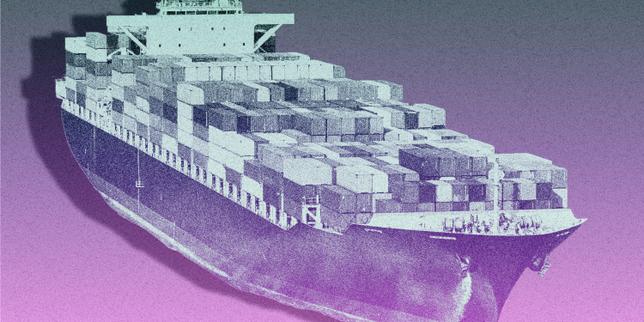
You aren't just looking at a regional skirmish here. Roughly a fifth of global oil flows and massive amounts of liquefied natural gas normally pass through this specific maritime chokepoint. When traffic drops near zero or gets severely choked, the ripple effects hit gas pumps worldwide. Both sides are playing a dangerous game of narrative and naval positioning, leaving commercial mariners caught in the middle of a dual blockade.
Inside the Contest for Maritime Dominance
The IRGC maintains that hostile foreign military vessels are forced hundreds of kilometers away from the strait. Tehran's military officials argue that no ship passes through without explicit permission. They have tied any future reopening of the waterway directly to Washington fulfilling commitments outlined in previous diplomatic understandings, such as the Islamabad memorandum.
Meanwhile, the White House tells a completely different story. US officials claim the passage has been thoroughly de-mined and is safe for commercial transit. CENTCOM warships and aircraft continue operating across the region to intercept vessels tied to Iranian ports. Tankers attempting to bypass restrictions face immediate scrutiny, diversion, or capture.
Ship-tracking data tells the real story. Commodity vessel counts have plummeted compared to historical averages. Many crews keep their transponders switched off to avoid targeting, making official tracking numbers look much lower than reality.
The Economic Toll on Tehran and Global Markets
Iran is feeling severe pressure. President Masoud Pezeshkian recently noted that the combined weight of international sanctions and the naval blockade has slashed the nation's foreign trade significantly. Inflation runs hot. Oil revenue losses mount by the billions.
Yet Tehran refuses to back down. Officials point out that hitting US regional bases is a direct response to ongoing military campaigns. Regional actors like Oman have tried negotiating temporary transit routes or revenue-sharing frameworks to ease the bottleneck, but a permanent resolution remains out of reach.
Washington's strategy relies on economic strangulation and projecting naval power to counter Iranian influence. Critics inside the US political sphere argue the strategy has failed to bring lasting stability, pointing to high domestic fuel prices and persistent security threats to personnel in the region.
Where the Shipping Industry Stands Now
If you track maritime logistics, the takeaway is stark. Normal operations through the Persian Gulf are a thing of the past for the foreseeable future. Energy firms are fast-tracking alternative pipelines and overland export routes that bypass the strait entirely.
Expect prolonged volatility. Neither the IRGC nor the US military shows any intention of backing down from their respective positions, meaning the stalemate over the world's most critical energy corridor will dictate the rhythm of global trade for months to come.