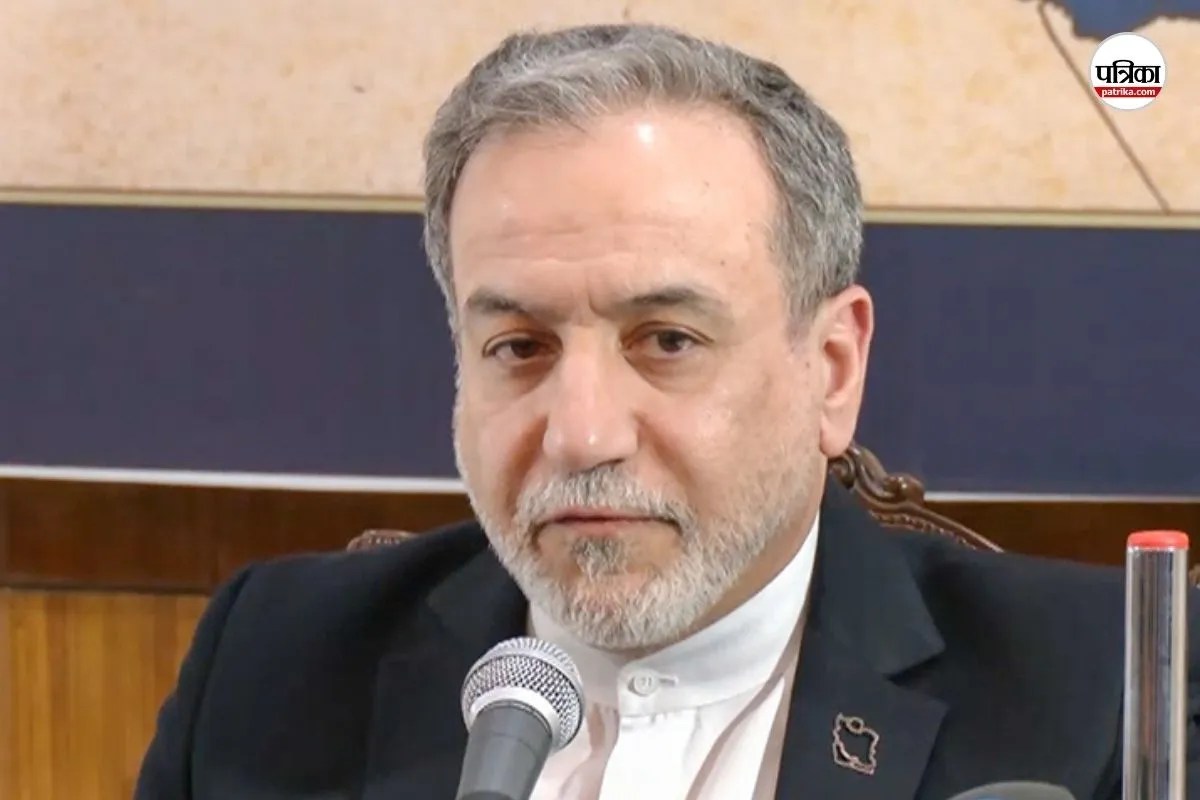
Mainstream media outlets are predictably breaking out the old, dusty playbook. Iranian Foreign Minister Abbas Araghchi lands in Baghdad, armored columns roll into the Green Zone, and the immediate consensus screams "imminent crisis" and "regional escalations."
It is lazy journalism. It misses the fundamental mechanics of Middle Eastern power dynamics.
The breathless reporting of tanks on the tarmac and high-stakes diplomatic arrivals treats these events as sudden, chaotic anomalies. They are not. They are deeply orchestrated, highly calculated political theater. If you think Baghdad is on the verge of collapsing into an Iranian proxy dictatorship because a few treads hit the pavement, you are falling for the spectacle.
Let us dissect the reality of what happens when Tehran speaks to Baghdad, why the military optics are a sign of stability rather than chaos, and why the conventional analysis of Iraqi sovereignty is fundamentally broken.
The Myth of the Surprise Escalation
Every time an Iranian official steps off a plane in Iraq during a period of friction, the narrative machine paints a picture of a defenseless puppet state receiving orders from its master. This viewpoint ignores twenty years of institutionalized gray-zone diplomacy.
Araghchi’s visit is not a sudden intervention. It is part of a routine, highly managed coordination mechanism that has existed since the restructuring of Iraq's political architecture post-2003. When Western analysts see a crisis, regional players see a Tuesday. The mobilization of armored assets around the Green Zone is rarely an act of aggression against the host government; it is the physical manifestation of a pre-negotiated security perimeter designed to ensure the script goes exactly as planned.
I have spent years tracking paramilitary movements and political shifts across the Fertile Crescent. When you watch the actual deployment patterns of Iraqi security forces alongside Popular Mobilization Forces (PMF) factions, you quickly realize that the tanks are not there to overthrow the state. They are there to signal to domestic rivals and external observers that the current power sharing agreement is locked down. It is a display of control, not a symptom of panic.
Dismantling the Sovereignty Panic
People constantly ask whether Iraq can ever truly achieve absolute strategic autonomy while sitting between Washington and Tehran. The premise of the question itself is flawed.
In modern geopolitics, absolute autonomy is a fairy tale. Iraq’s entire survival strategy relies on its ability to act as a institutional shock absorber.
The Illusion of "External Control"
- The Competitor View: Iran dictates Iraqi foreign policy through sheer intimidation and direct military leverage.
- The Reality: The Iraqi political elite actively utilizes Iranian influence to balance against American economic pressure, and vice versa. It is a deliberate, dual-lever system.
When Abbas Araghchi arrives in Baghdad, he is not presenting a list of demands to a helpless subordinate. He is negotiating with Iraqi factions that are fiercely protective of their own financial patronage networks. Iraqi politicians are masters of playing both sides. They will nod along to Tehran’s rhetoric in the morning, then meet with American diplomats in the afternoon to ensure their dollar clearing auctions remain uninterrupted by the US Treasury.
To call Iraq an Iranian satellite misses the sheer level of friction that exists between native Iraqi Shiite factions and the Islamic Revolutionary Guard Corps (IRGC). Iraqi nationalism is alive, well, and highly transactional. The moment Tehran pushes too hard, Baghdad subtly shifts its weight toward regional Arab Gulf partners or Western economic frameworks to restore equilibrium.
The Mechanical Reality of the Green Zone Tanks
Let’s talk about the hardware. The sight of armor inside Baghdad's international zone always generates cheap clicks. But anyone who understands urban military operations knows that parking a handful of tanks on a main thoroughfare is mathematically useless for an actual coup or defensive siege.
[Urban Deployment Optics]
       │
       ├── Heavy Armor on Main Roads ──► Symbolic Deterrence (Media Feed)
       │
       └── Back-Channel Intelligence  ──► Real Control (Tactical Reality)
True military takeovers do not announce themselves by idling diesel engines in front of media-accessible checkpoints at dawn. The deployment of heavy armor in these specific sectors serves two highly functional, non-combative purposes:
1. Hardening Against Rogue Non-State Actors
The primary threat to high-level diplomatic meetings in Baghdad does not come from the official state apparatus or major institutional militias. It comes from splinter factions—rogue elements looking to make a name for themselves by launching a cheap mortar or a commercial drone to disrupt a high-profile visit. The armor is a physical deterrent aimed at these specific wildcards, signaling that the cost of disruption is immediate annihilation.
2. Domestic Political Posturing
The Iraqi Prime Minister’s office uses the visibility of state security forces to remind domestic opposition groups that the executive branch still commands the heavy iron. It is a message wrapped in a camouflage net: We have the streets covered, so keep your grievances confined to the parliament floor.
The Downside of the Stabilization Script
While this contrarian view highlights that the situation is far more stable than the panic-mongers claim, it would be intellectually dishonest to ignore the inherent risks of this system.
This transactional stability comes at a brutal cost to institutional development. When international relations are reduced to heavily armed theater and backroom elite bargains, the average Iraqi citizen loses. The state apparatus becomes hyper-focused on maintaining the equilibrium between foreign powers, leaving infrastructure, economic diversification, and civil services to rot.
The system doesn’t collapse, but it doesn't progress either. It remains frozen in a permanent state of managed tension.
Stop Misreading the Theater
The next time you see headlines screaming about foreign ministers moving through heavily fortified Iraqi sectors, ignore the apocalyptic framing.
The tanks are not a sign that the system is breaking down. They are the exact mechanism by which the system keeps itself upright. The visits are not imperial commands; they are tense, calculated negotiations between neighbors who know they are stuck with each other.
The real story in Baghdad is never the noise on the street. It is the quiet math of survival happening behind the concrete blast walls.