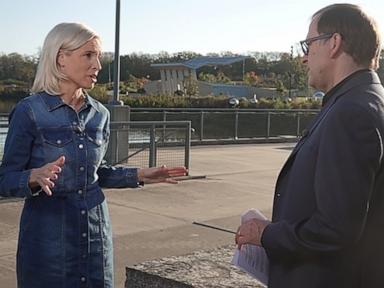
One campaign ad turned a midterm rally in Iowa into a public loyalty test.
In late October 2026, Iowa Republican Senate nominee Ashley Hinson spoke out against a controversial Ohio gubernatorial ad run by Vivek Ramaswamy. That spot featured the estranged mother of Democratic nominee Amy Acton. President Donald Trump and Vice President JD Vance defended the ad and urged Ramaswamy to keep it on the air. Hinson pushed back—right as Trump was heading to Iowa to campaign for her.
Honestly, watching that split play out in real time showed how fast a side-state ad can hijack a candidate's closing message. Voters searching about this clash usually want two things straight: what the ad actually did, and why an Iowa Senate candidate breaking with Trump over it mattered so much before the November 3, 2026 election.
What Sparked the Clash Over the Ramaswamy Ad
Politics gets nasty in October. Everyone expects rough spots on taxes, spending, or records.
Ramaswamy's campaign went somewhere far more personal. His team rolled out an ad featuring Acton's estranged birth mother attacking her daughter's character. According to reporting from CBS News and TIME, Acton and her brother were removed from their birth mother's custody in 1978, the same year Acton's stepfather faced indictment on charges of raping her as a child, and family members pointed out that her birth mother stayed married to that man until his death.
When that backstory hit the press, the ad stopped looking like standard hardball politics. It looked like digging into childhood trauma to score points in a governor's race.
Trump didn't see it that way. Speaking on social media and then at an Iowa rally, he claimed he told Ramaswamy to "leave it up" and "ride with it," arguing that a mother criticizing a candidate was fair game. Vance also backed the spot and scolded Republicans who complained about it, telling critics to stop whining.
Meanwhile, Ohio's outgoing Republican governor, Mike DeWine—who had endorsed Ramaswamy—called the ad "wrong" and urged the campaign to pull it down, even while keeping his endorsement for the broader ticket. Other Republicans joined the pushback too, including Ohio Senate candidate John Husted and South Carolina Rep. Nancy Mace.
Why an Iowa GOP Candidate Breaking With Trump Matters
When a Senate candidate in a competitive race publicly criticizes a strategy backed by the president and vice president, it's never accidental. Hinson wasn't running for governor of Ohio. She was trying to hold a U.S. Senate seat in Iowa.
From a campaign strategy standpoint, her move makes total sense. A Senate race in Iowa turns on swing voters, suburban households, and persuadable independents who often tune out national partisan brawls until something crosses a basic line of decency. If voters connect your name to an ad exploiting an estranged parent and childhood abuse allegations, your own message on the economy or cost of living gets drowned out.
I've watched plenty of campaigns over the years try to outrun a bad headline from another state. It rarely works on its own. Voters don't sort candidates into neat little boxes labeled "Iowa issue" and "Ohio issue" during the final two weeks before an election. If you're on the same party ticket and share the same rally stage, voters ask where you stand.
Trump's rally stop in Iowa put that tension front and center. While Trump praised the ad and brushed off the uproar, Hinson had already distanced herself from it, creating awkward friction right when unity was supposed to be the point.
The Bigger Divide Inside the GOP Closing Argument
This wasn't just a polite disagreement over media buys. It exposed a real split over how Republicans should close out a tough midterm cycle.
One camp—led loudly by Trump and Vance—treated every punch as permissible if it hurt an opponent. To them, complaining about an ad was weakness, and pulling it meant handing the other side a free pass.
The other camp worried about collateral damage. DeWine, Hinson, and other critics saw a spot that alienated moderate voters and turned sympathy toward Acton instead of hurting her. Look at what happened on November 3, 2026: Acton defeated Ramaswamy to win the Ohio governor's race, ending 16 years of Republican control of the office, while Democrat Josh Turek defeated Hinson in the Iowa Senate race.
Now, let's be honest about cause and effect. Elections have dozens of moving parts—turnout, economic frustration, candidate appeal, national headwinds, and outside spending all play a role. Nobody can prove that one ad alone decided either race. Still, strategists across both parties pointed to the backlash over the ad as a major drag on Ramaswamy's late push.
Common Misconceptions About This Feud
People love a clean storyline, so a few myths popped up around Hinson's criticism and the ad itself:
- Misconception: Hinson's pushback meant she was abandoning the Republican party. Calling out a specific campaign tactic isn't the same as switching sides or endorsing Democrats. Candidates routinely draw lines on tone or tactics while still campaigning on core party priorities.
- Misconception: Every Republican defended the ad. That's flat wrong. DeWine, Hinson, Husted, and Mace all raised objections in one form or another. The split wasn't simply "Republicans versus Democrats"—it was also a clash within the GOP over discipline and restraint.
- Misconception: Personal family attacks always boost turnout. Sometimes negative ads work when they highlight a clear record or hypocrisy. When an ad feels overly cruel or invades painful family territory, it can backfire badly and rally sympathy for the target.
Practical Ways to Read Late-Campaign Feuds
If you follow campaigns closely—or work on them—here are a few practical habits that keep you from getting fooled by late-October drama:
- Follow the voter math, not just the noise. Ask which audience a candidate is trying to reassure when they break with their party's top voices. Usually it's swing or independent voters in their own home state.
- Watch who stays silent versus who speaks out. A candidate who criticizes a controversial ad early is trying to contain fallout before it sticks to their own brand.
- Separate headline shock from ballot impact. A viral feud dominates cable news and social feeds for days, yet voters still weigh cost of living, leadership, and trust when they fill out their ballot.
Watch Trump defends Ramaswamy's attack ad against Acton on PBS News
This video provides direct context on how Trump defended the ad and why the dispute drew sharp pushback across party lines.


.jpg.jpg)