You grab a bagged Caesar or a fresh spinach mix off the grocery shelf without thinking twice about where it came from. But that crisp green base on your plate depends entirely on a shrinking desert river. With federal officials finalizing mandatory reductions along the Colorado River to combat a decades-long drought, the agricultural engine of the American Southwest is staring down an unprecedented crisis.
Arizona sits squarely in the crosshairs of these federal cutbacks. While cities and tribal communities hold higher priority rights, the state's broader agricultural network faces severe pressure. If you enjoy fresh produce during the winter months, these regulatory shifts will soon hit your wallet and alter grocery store aisles.
The Desert Greenhouse That Feeds North America
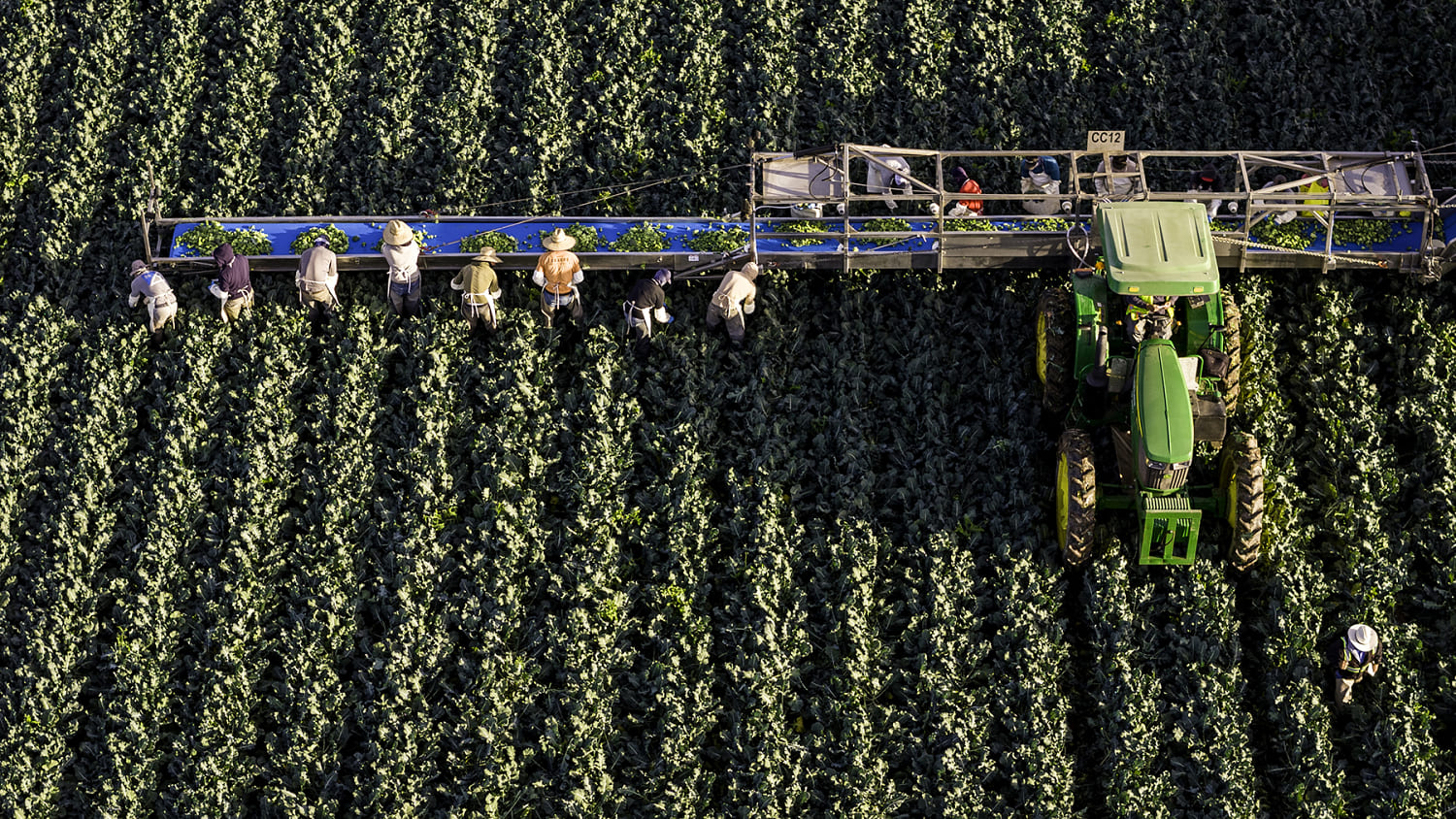
Most people don't realize that a small corner of southwestern Arizona functions as the salad bowl of the continent during the colder months. Yuma County alone produces up to ninety percent of all leafy greens consumed in the United States and Canada between November and March. Romaine, iceberg, broccoli, and spinach thrive in the intense winter sunshine of the Sonoran Desert, provided they get enough hydration.
That water comes almost exclusively from the Colorado River. However, Lake Mead and Lake Powell have dropped to alarming historic lows after twenty-five years of chronic overuse and severe regional drought. The federal government's framework mandates immediate supply reductions for lower basin states like Arizona, California, and Nevada, with the threat of much steeper cuts looming later in the decade.
Who Takes the Hit First
Water allocation in the West operates on strict priority rules known as prior appropriation, meaning older claims get served before newer ones. Central Arizona farmers with junior water rights have already absorbed massive blows, forcing many to leave fields uncultivated, pivot to low-water grains like barley, or lean heavily on depleting groundwater reserves.
Yuma growers generally hold senior water rights compared to central districts, shielding them from immediate, catastrophic supply shutoffs. Even so, seasoned producers warn that a reprieve isn't a guarantee. When federal guidelines dangle the threat of nearly doubling mandatory cuts during dry years to protect reservoir levels, long-term agricultural planning becomes nearly impossible. Farmers cannot invest millions into multi-year orchard crops or advanced irrigation infrastructure when the foundational resource remains unpredictable.
What This Means for Your Grocery Bill
Supply chain shocks rarely stay contained to the farm. When irrigation water gets restricted, crop yields drop, and the cost of production climbs. Growers face higher expenses for pumping groundwater from deeper aquifers, while regulatory compliance and land-fallowing programs eat into profit margins.
You won't necessarily see empty produce aisles overnight, but you will pay more for fresh items. When Yuma production faces constraints, alternative growing regions have to pick up the slack, driving up transportation costs and seasonal pricing spikes. Salad greens, once a reliable and affordable staple year-round, are transforming into a luxury commodity influenced heavily by regional climate policy.
Finding a sustainable path forward requires more than temporary federal fixes or short-term state legal battles. State agencies and federal regulators continue to clash over how to distribute pain evenly across the entire river basin, with upper basin states facing different reduction targets than lower basin states. Until a comprehensive, long-term framework protects essential farming regions without draining vital aquifers, your daily salad will remain tied to the fluctuating health of a single, overburdened desert river.