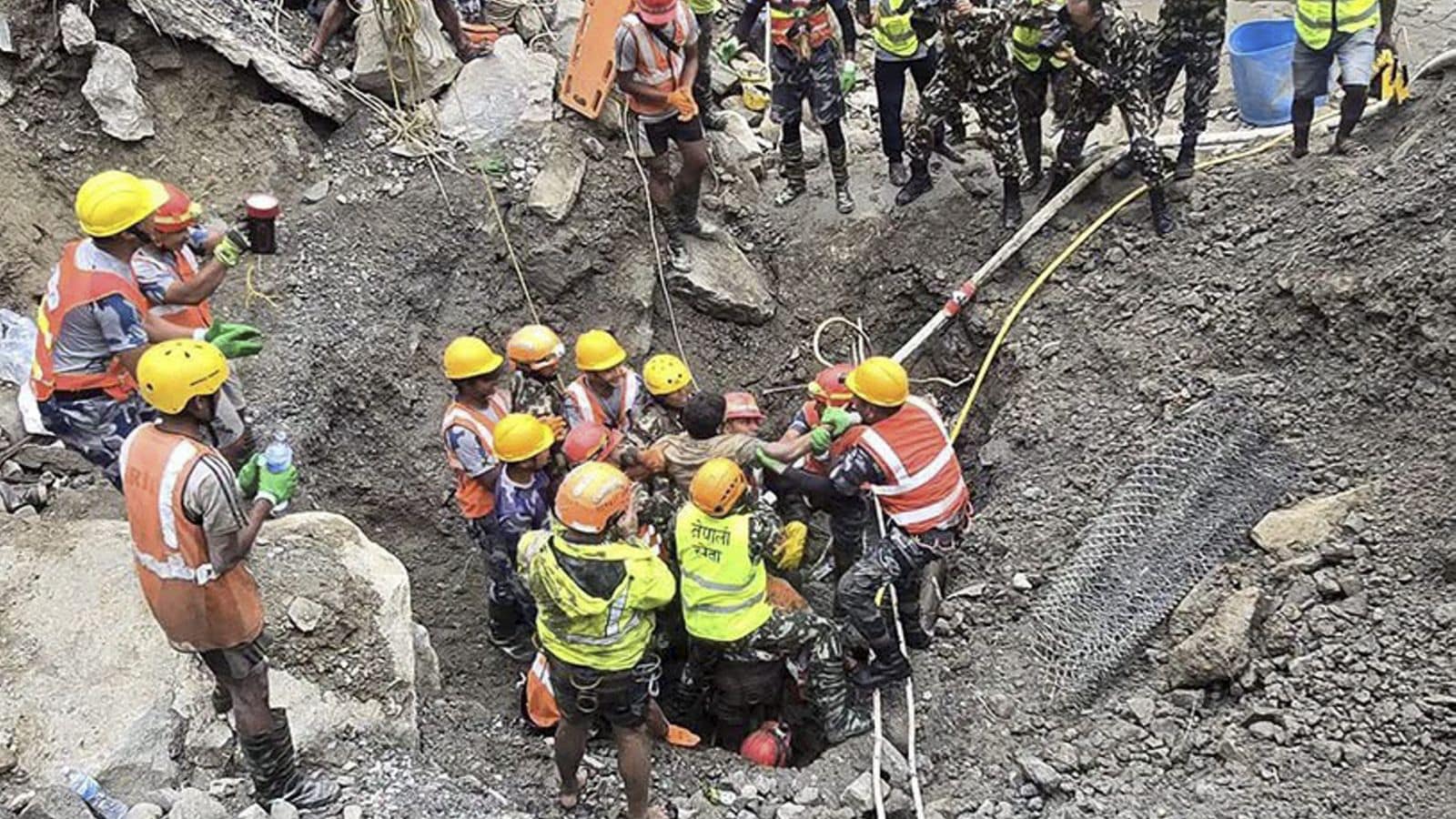
Disaster response capacity correlates directly with the velocity of capital mobilization. When catastrophic flash floods hit Nepal, traditional fundraising mechanisms anchored in physical bank branches and cash processing faced structural obsolescence. The rapid deployment of the Prime Minister Disaster Relief Fund via interoperable digital public infrastructure transformed how relief capital moves from individual accounts to state treasuries. This shift eliminated physical friction points, compressed transaction processing times from days to seconds, and re-engineered the cost function of philanthropic collection.
The Mechanics of Transaction Friction in Legacy Systems
During historical crises, such as the 2015 Gorkha earthquake, philanthropic contributions relied on cash handling or manual bank deposits. This legacy model imposed severe operational bottlenecks across three distinct vectors.
Physical queuing at banking halls created time costs for donors, deterring micro-contributions. Reconciliation processes inside state treasuries required manual ledger entries, introducing delays between cash receipt and operational deployment. International transfers depended on traditional correspondent banking networks, SWIFT message processing, and foreign exchange compliance checks that routinely took three to five business days to clear.
These frictions suppressed aggregate donation volume by increasing the marginal effort required to execute a transfer. The absence of direct person-to-state electronic rails meant that smaller donors faced a high barrier to entry, effectively excluding sub-threshold contributions from the aggregate relief pool.
Architectural Drivers of the Digital Shift
The structural pivot observed during recent relief operations stems from a decade-long deliberate buildout of domestic financial technology. The Nepal Rastra Bank, alongside payment switches like Fonepay and Nepal Clearing House Limited, established an interoperable payment layer that decoupled mobile banking applications from single-institution silos.
When emergency capital was required, the state did not build a new platform; it exposed existing routing nodes directly to public collection accounts. Transaction velocity surged because the infrastructure utilized pre-existing user habits. Domestic users executed payments through native mobile apps via interoperable QR standards.
The integration architecture bypassed domestic merchant aggregators, establishing direct pathways into state-held accounts at commercial banks like Rastriya Banijya Bank. By removing transaction fees and merchant discount rates for relief contributions, payment service providers absorbed operational costs to maximize network throughput.
Cross-Border Capital Routing and Gateway Interoperability
Philanthropic funding streams extend beyond domestic borders, heavily reliant on the diaspora and international solidarity. Previous crises suffered from high foreign exchange transaction costs and administrative complexity for overseas citizens.
The recent disaster response integrated regional and global payment gateways directly into the national collection apparatus. The inclusion of India's Unified Payments Interface, China's Alipay, and 3D Secure-verified international card networks transformed cross-border collection efficiency. Donors abroad avoided traditional wire forms and SWIFT intermediation.
Through Application Programming Interface bridges connecting foreign switches to local clearing houses, cross-border remittances for disaster relief settled instantly. This multi-rail integration captured capital pools that historically leaked or stalled due to high friction in international clearing.
Vulnerabilities and Architectural Gaps in Decentralized Collection
Despite efficiency gains, decentralized digital collection exposed systemic vulnerabilities in trust and verification frameworks. The state initially distributed multiple disparate QR codes across various commercial banks, generating user confusion and opening attack vectors for malicious actors.
Bad actors deployed fraudulent QR codes and phishing vectors via social media platforms, attempting to divert relief funds into private accounts. This vulnerability highlights the absence of a unified national registry or centralized payment gateway interface at the outset of the campaign.
While platforms like the NCHL-operated unified portal eventually centralized collection flows, the initial fragmentation proved that speed of deployment often outpaces security architecture. A mature digital public infrastructure requires pre-configured, immutable routing nodes rather than ad-hoc multi-account dissemination during emergency windows.
Capital Scaling and Economic Implications
The quantitative results of this digital transformation validate the architectural thesis. Within eleven days of the Bhotekoshi flood disaster, relief collections crossed the ten billion rupee threshold, a scale and velocity unachievable under legacy banking constraints.
Granular network data illustrates the distribution of these flows. Domestic QR transactions dominated volume, proving that micro-philanthropy scales when marginal transaction costs approach zero. Simultaneously, international gateway channels captured substantial capital without intermediary drag.
The removal of central bank transaction limits for designated disaster accounts acted as a critical regulatory catalyst, allowing the payment layer to operate at maximum capacity without artificial throttling.
Consolidate institutional emergency response frameworks by mandating a permanent, single-point national digital payment gateway governed by pre-verified cryptographic seals to eliminate multi-QR confusion and neutralize phishing vectors during future disaster windows.