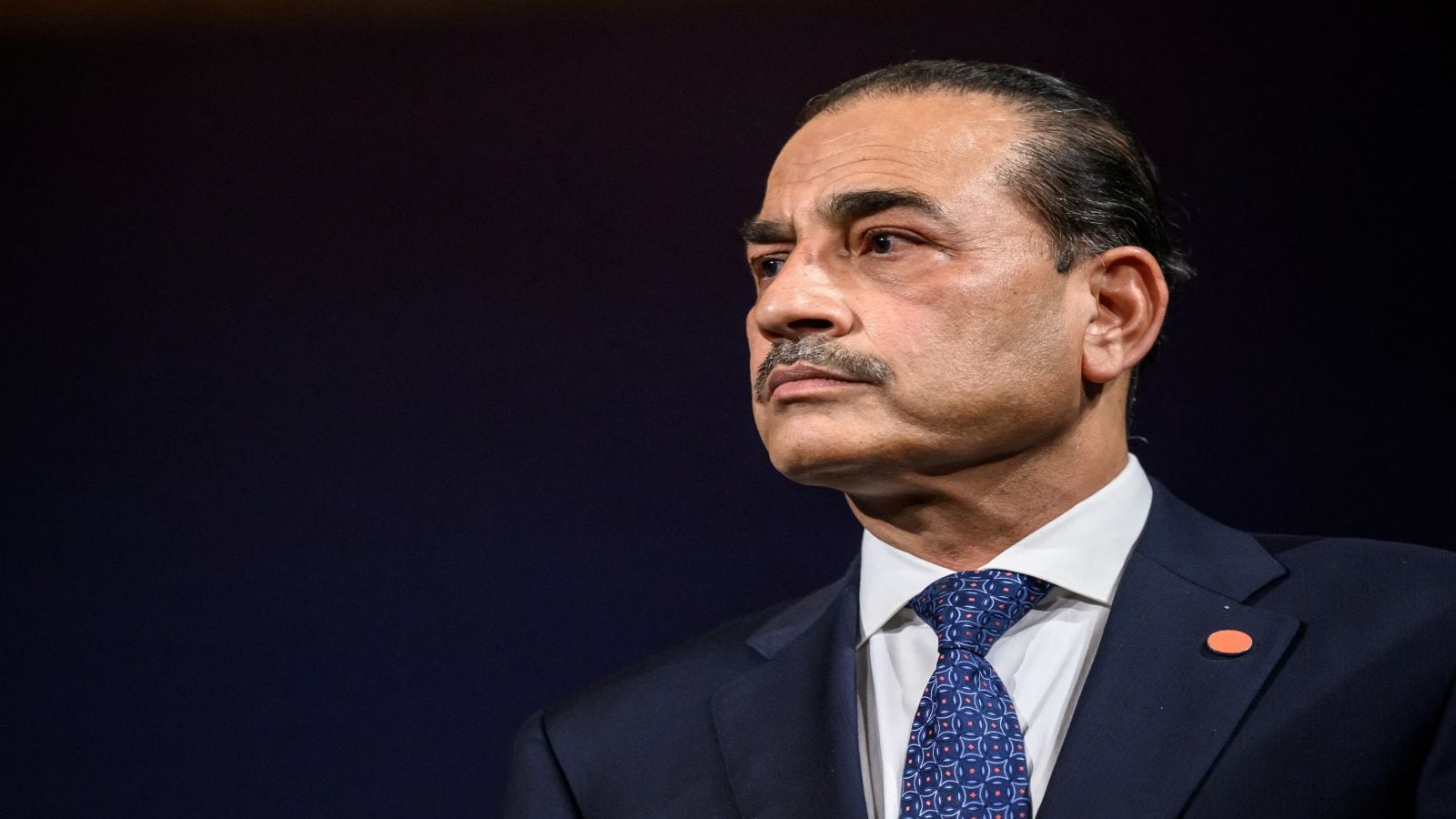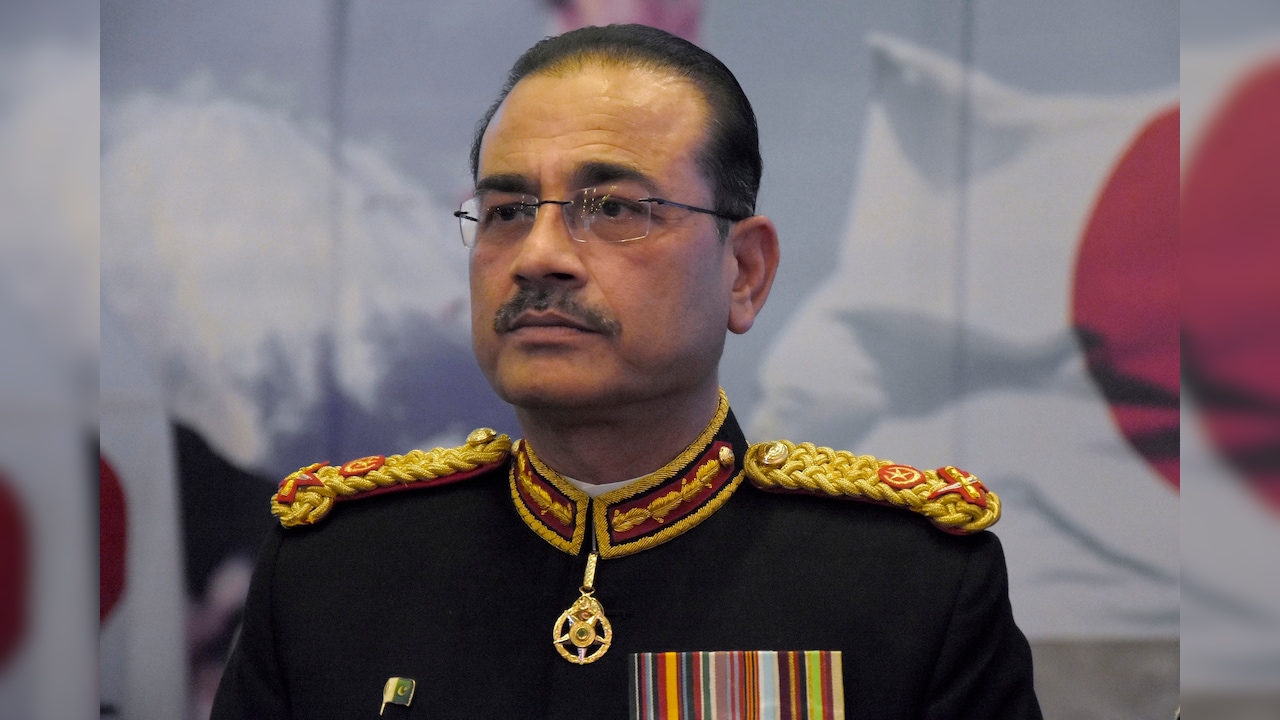
Power in Islamabad rarely arrives through sudden detonations. It accumulates quietly, codified into statute during late-night parliamentary sessions where opposition benches sit empty and rubber stamps move at assembly-line speeds. Recent legislative overhauls passed through Pakistan's National Assembly and Senate have altered the legal architecture of the state. These amendments do not merely distribute authority among civilian ministries. They centralize command, extend tenure protections, and institutionalize military primacy over the civilian apparatus. Behind every clause, every redefined hierarchy, and every expanded institutional boundary stands one central figure: General Syed Asim Munir.
Understanding the magnitude of these legislative shifts requires examining how state power has been re-engineered. Decades of political turbulence in Pakistan produced various formulas for civil-military management, yet the current framework abandons the pretense of shared governance. Instead, it codifies a direct chain of command that places the military establishment firmly at the apex of executive policy. You might also find this connected coverage interesting: Why Weaponizing Helicopters Against Drones Misses the Entire Point of Modern Air Defense Economics.
The Mechanics of Legal Centralization
The legislative package rushed through parliament was designed with surgical precision. Key amendments altered the Pakistan Army Act, the Air Force Act, and the Navy Act, alongside changes governing the tenure and powers of service chiefs. Under previous legal frameworks, tenure extensions were subject to specific procedural hurdles and judicial oversight, as famously highlighted by Supreme Court interventions years prior. The new laws bypass these speed bumps entirely.
By removing retirement age caps and extending the tenure ceiling for the Chief of Army Staff to a fixed multi-year term with zero judicial friction, the state has institutionalized continuity at the top. As highlighted in latest coverage by NPR, the results are significant.
Furthermore, the legal immunity granted to intelligence chiefs and military leadership shields administrative actions from civilian court challenges. When a state alters its legal code to protect executive decisions from judicial review, it signals a fundamental shift in governance. Civilian bureaucrats and cabinet ministers now operate under a statutory umbrella where institutional directives from the military headquarters carry higher legal weight than administrative oversight from the Prime Minister's office.
Asim Munir and the Consolidation of Authority
General Asim Munir occupies a unique position in Pakistan's modern political history. Unlike predecessors who balanced power through proxy political parties or negotiated coalitions, Munir has overseen an era where political opposition has been systematically neutralized through legal and extra-legal means. The Pakistan Tehreek-e-Insaf (PTI) party, loyal to jailed former Prime Minister Imran Khan, bore the brunt of this institutional pressure.
Every legal amendment passed under the current administration serves a dual purpose: stabilizing executive continuity for the military command while permanently shrinking the political space available to civilian challengers.
The strategy is straightforward. By legally binding the civilian administration to security-first policy frameworks, any future government will find it constitutionally impossible to alter foreign policy, defense spending, or internal security priorities without direct military approval. Munir has effectively transformed temporary tactical dominance into permanent structural supremacy.
The Economic and Geopolitical Fallout
Centralizing absolute authority within military headquarters carries profound economic consequences. Pakistan remains tethered to International Monetary Fund bailouts, structural adjustment programs, and foreign debt obligations that require predictable, transparent civilian governance. International lenders prefer partners who can be held accountable through open political channels.
When institutional power shifts entirely behind closed doors, foreign investors grow wary of regulatory capture and arbitrary policy shifts.
Geopolitically, the rigid alignment between the security establishment and domestic governance complicates regional diplomacy. Neighbors like India and Afghanistan, alongside global partners including the United States and China, now recognize that dealing with Pakistan's civilian prime minister is essentially a ceremonial exercise. Real power, policy formulation, and treaty implementation flow directly from General Munir's office. This concentration of authority streamlines decision-making during crises, but it destroys the institutional checks and balances necessary for long-term national stability.
The legal overhaul is complete. The statutes are signed, the parliamentary opposition has been marginalized, and the judiciary has been sidelined. Pakistan has entered a new political era where the constitution bends to the military, and the military answers only to its chief.