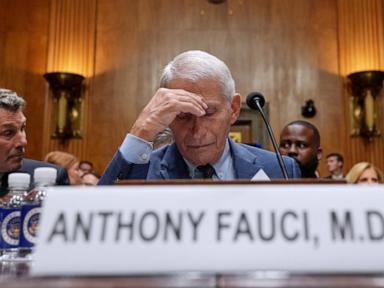
The collision between Capitol Hill and federal health bureaucracy just reached a boiling point. Dr. Anthony Fauci recently sat before a Senate panel, invoked the Fifth Amendment repeatedly, and triggered an immediate push for a contempt of Congress citation.
Senator Rand Paul and the Senate Homeland Security and Governmental Affairs Committee aren't letting it go. They scheduled a vote to formally hold the retired public health official in contempt.
If you think this is just standard Washington theater, look closer. This fight exposes a massive constitutional grey area involving presidential pardons, congressional subpoenas, and how much power unelected officials actually hold when they leave office.
The Showdown on Capitol Hill
The scene in the committee room was tense from the opening gavel. Fauci, who led the National Institute of Allergy and Infectious Diseases for decades, appeared under subpoena. Instead of answering questions about pandemic origins, gain-of-function research funding, or agency communications, he stayed silent.
On the advice of his lawyers, Fauci responded to inquiries with a predictable refrain: he respectfully declined to answer based on his constitutional rights.
Republicans were furious. Committee leadership argued that Fauci had no legal ground to plead the Fifth. Why? Because before leaving office, President Joe Biden issued a sweeping, preemptive pardon covering a decade of Fauci's federal service.
The logic from the dais was simple. If you are already immune from criminal prosecution for past actions, you cannot claim self-incrimination to dodge questions.
Why the Fifth Amendment Defense is Falling Flat for GOP Lawmakers
Constitutional battles rarely stay simple. Legal scholars are split down the middle on this one, but the Senate majority is moving forward regardless.
Fauci's defenders argue that invoking the Fifth Amendment protects him from hostile political setups, especially given ongoing threats of prosecution from political opponents. Law professors pointed out that walking into a room where lawmakers openly call for your imprisonment creates a reasonable fear of legal jeopardy, pardon or no pardon. State-level investigations or challenges to the validity of executive pardons add fuel to that fire.
Even the color of his tie drew silence during the hearing. That blanket refusal to engage convinced committee members that the maneuver was an obstruction of oversight rather than a legitimate fear of a criminal charge.
By giving an opening statement where he accused lawmakers of targeting him out of personal animus, Republicans argue he waived any right to stay silent for the remainder of the proceedings.
What Happens Next With the Contempt Referral
Passing a committee vote is only step one. The resolution moves next to the full Senate.
Because Democrats hold significant procedural tools like the filibuster, securing a floor victory isn't guaranteed. However, the committee's strategy aims to bypass standard delays and transmit the referral straight to the Department of Justice.
That puts the executive branch in an awkward position. Will a federal department prosecute a former high-ranking official who received a preemptive executive pardon from a previous administration? History suggests criminal charges from a congressional contempt referral under these conditions face steep legal hurdles.
Even if courts ultimately dismiss the criminal exposure, the political damage is already locked in. Public trust in federal health agencies took a severe beating during the pandemic, and this fight keeps those scars wide open.
Accountability for public health officials remains a hot button issue. When career bureaucrats can shield themselves behind legal technicalities and executive pardons, the traditional checks and balances break down. Expect this fight to set a precedent for how future Congresses subpoena retired government leaders.