If you look at a map of the Indian Ocean, you’ll see a string of islands that look like a jagged spearhead aimed directly at the throat of global trade. These are the Andaman and Nicobar Islands. For decades, we’ve treated them as a sleepy tourist getaway, famous for white sands and colonial history. But as the geopolitical temperature rises in 2026, the military reality is shifting.
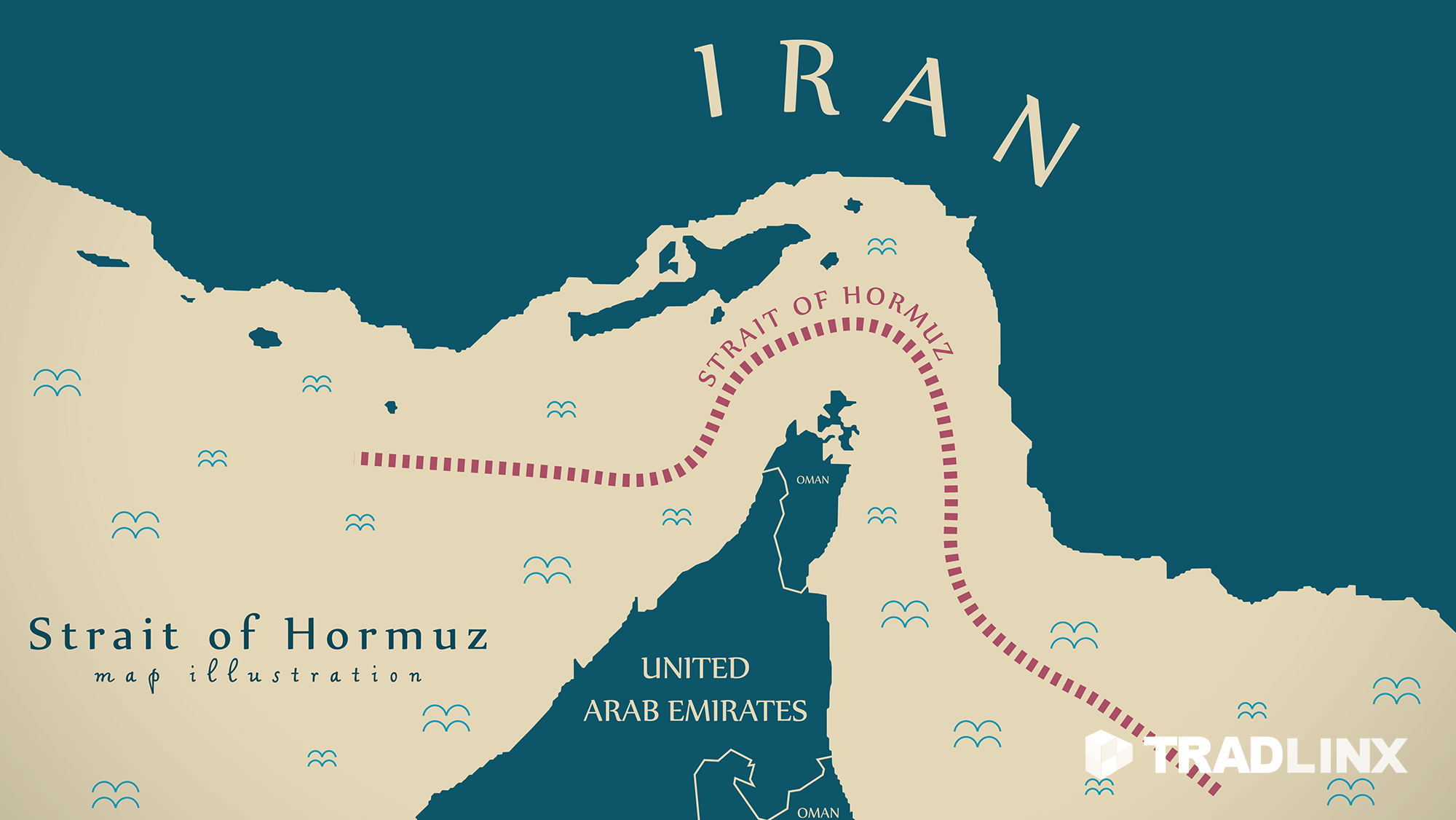
The Malacca Strait is becoming the new Strait of Hormuz. While Hormuz can choke the world’s oil supply with a few well-placed mines, Malacca carries the lifeblood of the Chinese economy. If that vein is severed, the fallout would be catastrophic for Beijing. India holds the knife, but the blade isn't sharp enough yet.
The Malacca Dilemma isn't just a theory anymore
Back in 2003, then-Chinese President Hu Jintao coined the term "Malacca Dilemma." He was worried that "certain powers"—read: the U.S. and India—could block the narrow waterway and starve China of energy. Fast forward to today, and that fear has turned into a strategic obsession for the PLA Navy.
About 80% of China’s oil imports and nearly 40% of global trade pass through this narrow neck of water. At its thinnest point, the strait is barely 2.7 kilometers wide. Compare that to the 33-kilometer width of the Strait of Hormuz. It’s a tactical nightmare for anyone trying to defend a convoy. For India, it’s a geographical gift that most nations would kill for.
I’ve seen how military planners view this region. It’s not about starting a war; it’s about "deterrence by denial." If you can credibly threaten to stop the flow of goods, you don’t have to fire a single shot to get what you want at the negotiating table.
Why the "Unsinkable Aircraft Carrier" is currently a paper tiger
Military analysts love calling the Andaman and Nicobar Islands (ANI) an "unsinkable aircraft carrier." It sounds great in a headline, but the reality on the ground has been sluggish. Until recently, the Andaman and Nicobar Command (ANC)—India’s only tri-service command—was underfunded and treated like a secondary outpost.
If a conflict broke out tomorrow, the current infrastructure would struggle.
- Runway limitations: Many existing airstrips weren't long enough for fully loaded heavy fighters or long-range maritime surveillance planes like the P-8I Poseidon.
- Logistical lag: Moving reinforcements from mainland India takes time. We’re talking 1,400 kilometers of open sea.
- Supply chains: The islands rely heavily on the mainland for everything from fuel to fresh water. In a high-intensity conflict, that’s a massive vulnerability.
We're finally seeing a shift, though. The government is pouring roughly $9 billion into the Great Nicobar Holistic Development Project. This isn't just about tourism or "eco-tourism." It’s about building a massive transshipment port and, more importantly, a dual-use military base that can host everything from aircraft carriers to nuclear submarines.
The Hormuz Comparison: Risks and Rewards
When experts like Admiral Girish Kumar Garg compare Malacca to Hormuz, they aren't just being dramatic. They’re pointing out a shift in how maritime power is exercised.
In the Strait of Hormuz, Iran uses "asymmetric" tactics—fast boats, sea mines, and shore-based missiles—to threaten tankers. India has the potential to do the same in the Malacca Strait, but with much more sophisticated tools. With S-400 missile batteries stationed on Great Nicobar, India could effectively cover the entire western entrance of the strait.
But there's a catch. Unlike Hormuz, which is largely influenced by one rogue actor, Malacca involves Singapore, Malaysia, and Indonesia. Any move by India to "fortify" or "blockade" the area has to be balanced with delicate diplomacy. You don't want to scare off your neighbors while trying to deter your rival.
What’s actually happening on the ground in 2026
The timelines are finally moving. Admiral DK Joshi recently laid out a roadmap that should make Beijing very nervous.
- Great Nicobar Greenfield Airport: A new international airport is coming to the southernmost tip of the chain, just 40 nautical miles from the Malacca entrance. It'll handle civilian flights, sure, but it’s designed to support heavy military transport and fighters.
- Runway Extensions: Work is underway at INS Kohassa and INS Baaz to extend runways to 10,000 feet. This allows the Navy to operate P-8I surveillance planes around the clock, creating a "persistent shield" over the Bay of Bengal.
- Submarine Pens: There are persistent reports of hardened shelters being built to house India’s growing fleet of conventional and nuclear subs. Being able to sortie a submarine directly into the mouth of the Malacca Strait is a massive tactical advantage.
The Environmental and Social Cost
You can't talk about Great Nicobar without mentioning the elephant in the room: the ecological impact. The project involves felling nearly 800,000 trees in a primary rainforest. It also edges close to the ancestral lands of the Shompen and Nicobarese tribes.
Critics argue that we’re destroying a "Galapagos of the East" for the sake of military posturing. The government’s counter is that the "strategic necessity" outweighs the local environmental cost. It’s a brutal trade-off. They’re planning compensatory afforestation in Haryana—thousands of miles away—which many ecologists say is a joke. You can't replace an ancient tropical rainforest with a plantation in the northern plains.
How India plays the Trump Card
If India wants to truly "fortify" the Andamans, it needs to stop thinking about the islands as a defensive shield and start treating them as a power projection hub.
- Permanent Deployment: Stop rotating units. We need a permanent, high-readiness brigade and a dedicated carrier battle group stationed in the islands.
- Underwater Domain Awareness: We need to lace the seabed with sensors to track Chinese submarines entering the Indian Ocean.
- Joint Logistics: The islands should become a supply hub for Quad partners (US, Japan, Australia). If the US Navy can refuel at Great Nicobar, the entire balance of power in the Indo-Pacific flips.
The window of opportunity is closing. China is already building its own "string of pearls" with bases in Djibouti and potentially Ream in Cambodia. If India doesn't turn the Andaman and Nicobar Islands into a fortress now, we’re essentially handing over the keys to the Indian Ocean.
Check your maps. Watch the satellite imagery. The next decade of Asian security isn't being decided in the Himalayas; it's being decided in the turquoise waters of the 10-degree channel.
The Malacca Dilemma and India's Role
This video explains the geopolitical shift of focus toward the Malacca Strait and why it has become a central chokepoint in the rivalry between global powers.