You do not need a plane ticket, a packed itinerary, or a crowded airport terminal to experience the restorative power of travel. Modern life tells us that breaking routine requires spending money and burning vacation days. But centuries ago, Chinese thinkers figured out a radically different way to escape.
It is called wo you, which translates directly to "travelling while lying down".
Far from being an excuse for mere laziness, this historic aesthetic practice offers a profound method for finding inner peace and mental emptiness without moving an inch. Let us look at what this concept actually means, how it originated, and why you should adopt it when burnout hits hardest.
The Origin of Wo You
The concept started in the fifth century with a painter named Zong Bing. Zong loved exploring mountains and rivers in his youth. As he grew older and physical ailments confined him to his home, he faced a dilemma. He could no longer physically hike through the breathtaking landscapes that fed his soul.
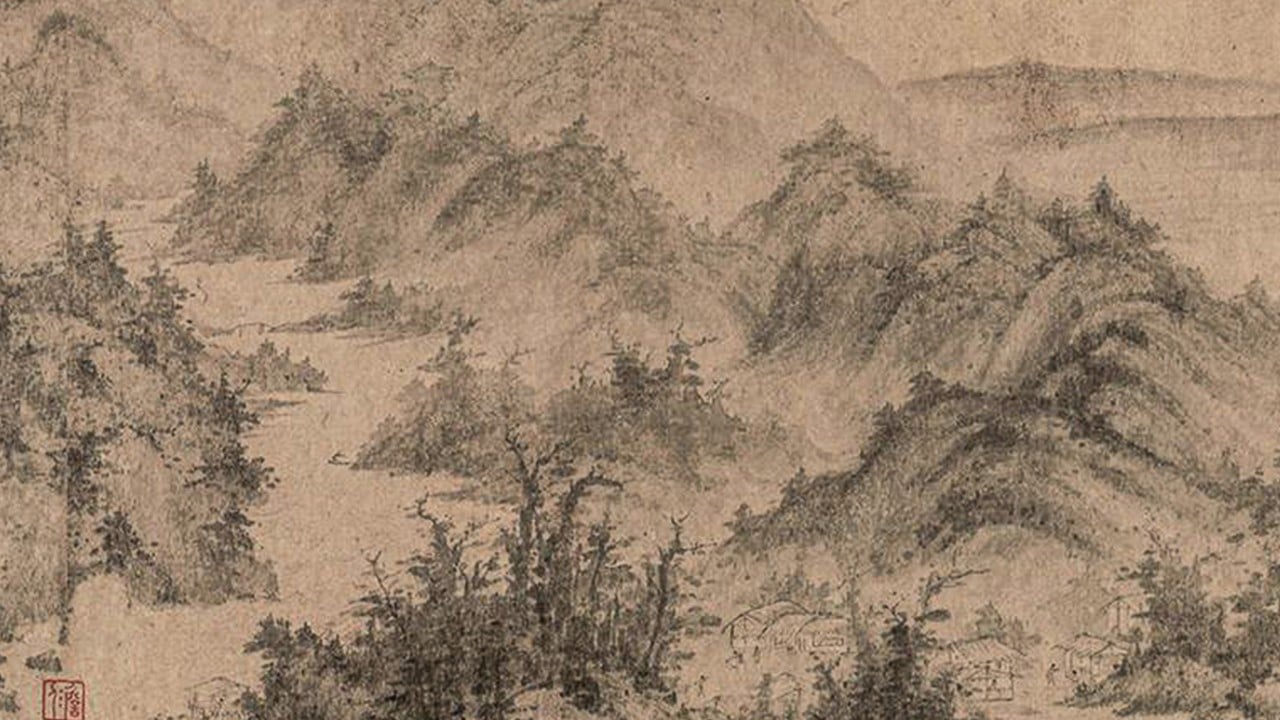
Instead of accepting a life devoid of scenery, Zong painted the mountains and rivers he had visited and hung them across the walls of his room. By lying on his bed and gazing at these scrolls, he could mentally retrace his steps, immersing himself in nature from the comfort of his home.
This wasn't just daydreaming. It was an intentional design combining Taoist principles of inner emptiness with Confucian reverence for nature. Later masters picked up the tradition. During the Southern Song dynasty, poets and artists embraced the idea that physical distance mattered far less than mental focus.
How It Differs From Tang Ping
People often confuse wo you with modern internet slang like tang ping, or "lying flat." They are entirely different beasts.
"Lying flat" is a social protest. It is a cynical reaction among exhausted youth who feel shut out of traditional milestones like buying a home or climbing a rigid corporate ladder. It means doing the absolute bare minimum because the system feels rigged.
Wo you, on the other hand, is an active spiritual exercise. You are not checking out of life out of despair. You are intentionally shifting your perspective to cultivate joy, calm your nervous system, and break the monotonous loop of daily stress. It requires mental engagement. You use visual art, literature, or even your own memories to transport your consciousness elsewhere.
Bringing Bed Travel Into the Modern Age
You do not need classical Chinese ink scrolls to practice wo you today, though studying detailed landscape art works wonderfully. The core mechanism relies on immersive mental detachment.
Turn off your phone notifications. Clear your immediate physical field of vision from work clutter. Choose a medium that forces your brain to visualize a vast, open space—whether that is a detailed nature documentary, a vivid photography book, or an intricate piece of visual art hung opposite your bed.
Lie down flat on your back. Close your eyes for a moment to reset, then open them to focus entirely on that expansive imagery. Imagine walking through the terrain, listening to the ambient sounds, and letting go of your immediate environment.
True travel is about breaking routine to find clarity. When your schedule leaves no room for actual trips, give yourself permission to lie down and let your mind wander across the map.