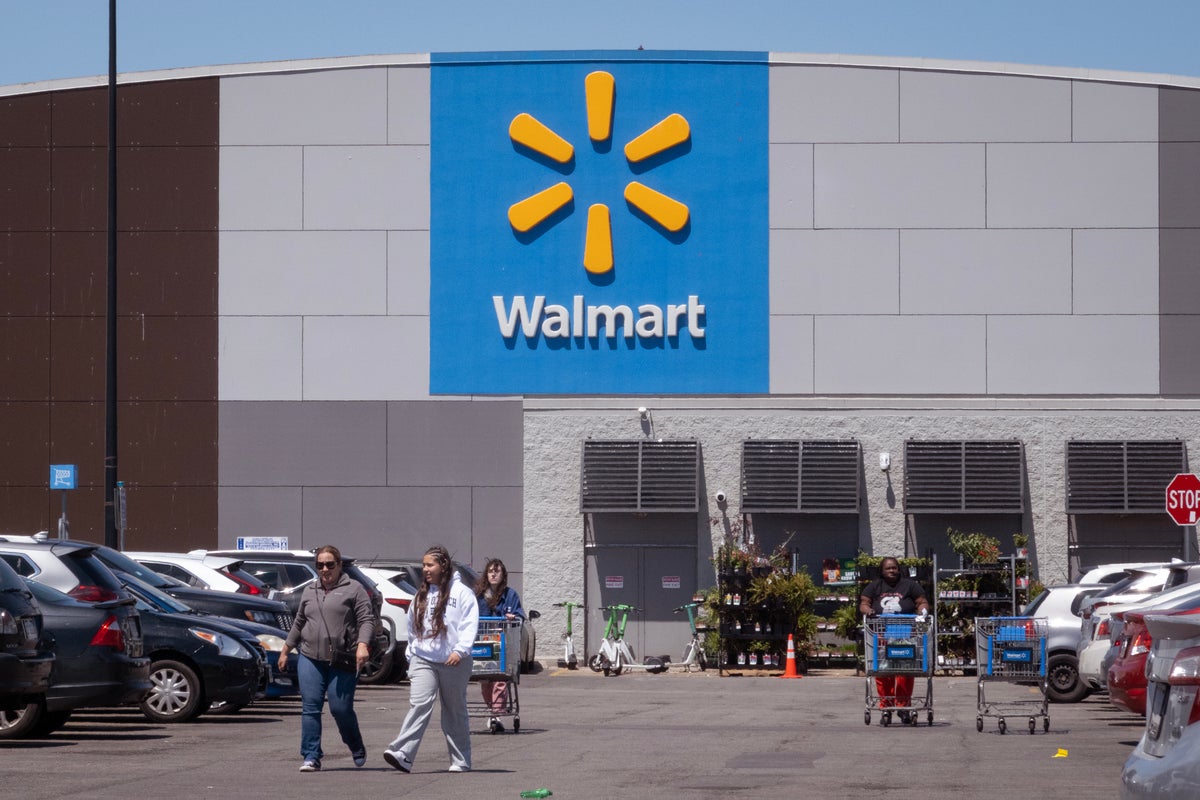
The mid-summer promotional window is no longer a tool for incremental volume maximization; it is a defensive capital deployment strategy designed to capture a fixed pool of discretionary consumer liquidity. When Amazon compressed its promotional calendar by shifting Prime Day from its traditional mid-July slot to June 23–26, it triggered an immediate operational response across the retail value chain. By moving its signature weeklong "Walmart Deals" event forward by a full two weeks to June 22–28, Walmart entered a zero-sum, real-time pricing war. Target executed an identical defensive pivot with its Circle Deal Days running June 23–26. This absolute synchronization of promotional calendars compresses the industry's annual margin-sacrificing volume into a single, high-friction seven-day window.
To evaluate the long-term enterprise value of this strategic shift, the phenomenon must be viewed through a structural framework rather than a simple narrative of competitive pettiness. Retailers are managing three distinct, overlapping pressures: the cannibalization of standard third-quarter retail margins, the rising customer acquisition costs (CAC) for ecosystem memberships, and the reality of a financially strained, price-sensitive consumer base. Also making news recently: The Outrage Over Dynamic Pricing is Boomer Economic Illiteracy.
The Three Pillars of Mid-Summer Capital Capture
To understand why a physical retail legacy giant would shift its promotional infrastructure to mirror an e-commerce native player, one must isolate the underlying corporate mechanisms driving the schedule compression.
[Promotional Alignment Strategy]
       │
       ├─► 1. Liquidity Preemption (Capturing disposable income before competitors)
       ├─► 2. Digital Membership Gating (Driving recurring subscription revenue)
       └─► 3. Omichannel Cross-Subsidization (Leveraging physical footprint vs. pure e-commerce)
1. Liquidity Preemption and Share of Wallet
Discretionary consumer spending during the summer months operates within strict budgetary limits. The primary structural flaw of a trailing promotional event—such as Walmart running a sale in mid-July while Amazon operates in late June—is the exhaustion of the target market's disposable income pool. Data from historical sales cycles demonstrates that high-consideration consumer electronics, seasonal home goods, and early back-to-school purchases are zero-sum allocations. By launching its event online at 12:01 a.m. ET on June 22, exactly 27 hours prior to the launch of Amazon Prime Day, Walmart attempts to establish a first-mover advantage, capturing primary search intent and initial wallet share before the consumer allocates capital elsewhere. Additional information regarding the matter are explored by CNBC.
2. The Conversion Economics of Gated Subscriptions
The secondary objective of synchronized promotional periods is not immediate gross margin generation, but rather the scaling of recurring, high-margin subscription ecosystems. Amazon Prime utilizes its June event as a retention and acquisition engine for its ecosystem. Walmart has historically operated its general summer events on an open-access model to exploit its massive brick-and-mortar footprint. However, the operational model has evolved.
To drive adoption of Walmart+, the retailer introduced "hot deal drops"—a highly curated assortment of supply-constrained, high-demand inventory locked behind a strict 24-hour membership gate starting June 22. If inventory exhausts during this exclusive window, it never reaches the general public. This gating mechanism directly addresses the lifetime value (LTV) to customer acquisition cost (CAC) ratio:
- Paid Conversion Gating: Sacrificing margin on a high-end consumer electronic item acts as a subsidization of the $98 annual or $12.95 monthly Walmart+ membership fee.
- The Trial Exploitation Vulnerability: A primary risk factor in this strategy is the 30-day free trial structure. Sophisticated consumers routinely utilize temporary, unmonetized trial accounts to access gated discounts and subsequently cancel prior to billing. This creates an inflation of top-line user metrics without a corresponding increase in long-term recurring revenue.
3. Omnichannel Infrastructure vs. Pure E-Commerce Variable Cost Functions
The structural battleground between Walmart and Amazon rests on the fundamentally divergent unit economics of fulfillment. Amazon operates a highly optimized, capital-intensive hub-and-spoke distribution network that relies entirely on variable parcel shipping costs. Conversely, Walmart leverages an omnichannel distribution model where its 4,700 physical storefronts double as micro-fulfillment centers and immediate point-of-sale assets.
While Amazon's Prime Day model incurs heavy logistical strain, surcharges, and bottlenecking within regional sortation centers, Walmart opens its event across its physical nationwide footprint at 6:00 a.m. local time on June 22. This integration yields distinct operational advantages:
- Mitigation of Last-Mile Delivery Cost: Encouraging in-store conversion shifts the variable fulfillment cost entirely onto the consumer, preserving the thin margin profile of a heavily discounted product.
- Immediate Margin Recovery via Cross-Shopping: Brick-and-mortar foot traffic exhibits higher rates of unplanned, full-margin attach-rate purchases compared to digital shopping carts, where algorithmically suggested add-ons yield lower conversion velocities.
The Real-Time Algorithmic Pricing Bottleneck
The simultaneous execution of these events introduces a high-frequency pricing dynamic that can rapidly erode gross margins if left unchecked. Major retail competitors utilize automated, dynamic pricing scrapers that monitor competitor stock-keeping units (SKUs) to adjust their own digital pricing matrices in real time.
When two or more scale players operate large-scale promotional events across identical or highly substitutable SKUs concurrently, these algorithms create an operational bottleneck. For instance, if a specific 55-inch Mini-LED television is discounted on one platform, a competitor's automated repricer responds within minutes by undercutting the price by a nominal percentage.
[Competitor Price Drop] ──► [Algorithmic Detection] ──► [Automated Price Undercut]
        ▲                                                          │
        └────────────────── [Margin Minimum Triggered] ◄───────────┘
This race to the bottom continues until the system hits a pre-configured margin floor. Because data confirms that roughly 49% of high-intent summer shoppers browse both platforms simultaneously with multiple browser tabs open, the price elasticity of demand is hyper-sensitive. The retail winner is no longer the entity with the most compelling marketing campaign, but the one whose supply chain can absorb the lowest margin floor due to superior wholesale purchasing power or lower back-end fulfillment overhead.
Macroeconomic Headwinds and Capital Protection
The strategic consolidation of these sales events into June is not a sign of operational aggression, but rather a defensive play against structural macroeconomic deterioration. Rising fuel costs and sustained core inflationary pressures have systematically degraded the average consumer's real purchasing power. Retailers are fully aware that the velocity of consumer spending is decelerating.
Operating a promotional event in July carries an unacceptable level of macroeconomic risk. By pulling the promotional timeline forward into June, corporate finance teams pull future cash flows forward into the second quarter. This protects the enterprise against any sudden, late-summer deterioration in consumer confidence or spike in supply-chain fuel surcharges that could render late-third-quarter promotions entirely unprofitable.
The Strategic Playbook
To thrive in a compressed, hyper-competitive promotional landscape, an enterprise cannot rely on legacy retail models. Survival requires a calculated allocation of capital, precise inventory control, and the deployment of distinct structural maneuvers.
- Implement Strict SKU Segregation: Do not engage in dynamic pricing wars on highly visible, identical manufacturer SKUs where Amazon or Target can leverage superior digital margin structures. Allocate promotional budget heavily toward exclusive, proprietary private-label brands or retailer-specific product bundles where direct automated price comparison is structurally impossible.
- Optimize the Gated LTV-to-CAC Ratio: Modify the onboarding architecture of ecosystem memberships. To prevent the exploitation of the 30-day free trial window during high-velocity promotional events, require a minimum three-month paid commitment or structure the deepest "hot deal drops" to require a verified premium membership tier, neutralizing single-use acquisition churn.
- Leverage BOPIS to Eradicate Last-Mile Friction: Route high-volume, low-margin promotional inventory exclusively through Buy Online, Pick Up In-Store (BOPIS) protocols. By restricting home delivery on low-margin items, the enterprise completely removes variable last-mile fulfillment costs from the equation while guaranteeing physical foot traffic into the brick-and-mortar ecosystem.