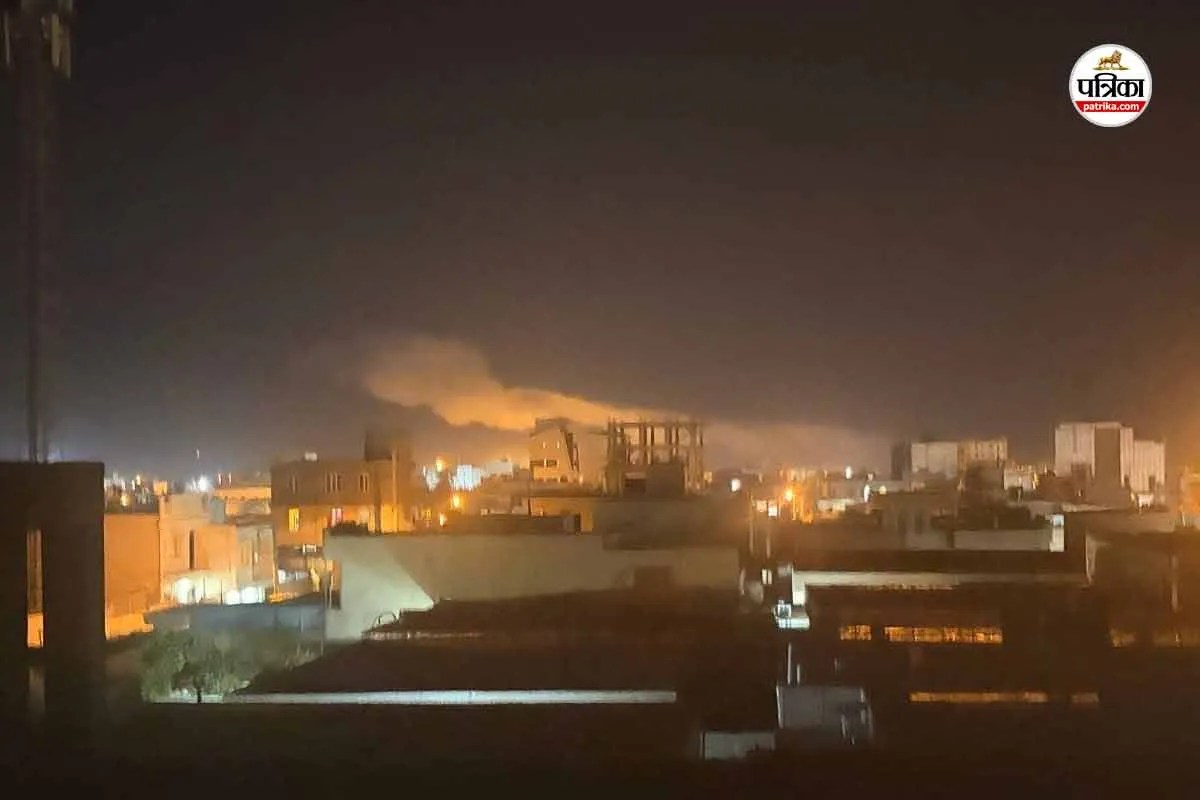
The recent cycle of military engagements between the United States and Iran represents a structural shift from proxy skirmishes to direct kinetic confrontation. Media reports frequently framing these flashpoints through localized survival narratives mask the calculated strategic calculus undergirding both Washington's targeted interdiction and Tehran's retaliatory maritime doctrine. Analyzing this escalation requires isolating the operational objectives of the military strikes, mapping the economic vulnerabilities of global energy supply chains, and evaluating the tactical execution of multinational non-combatant evacuation operations.
The Triad of Operational Objectives
The current military theater operates across three distinct strategic layers, each dictated by specific geopolitical objectives. You might also find this similar article insightful: The Myth of the Iran Crisis Phase and Why the Pentagon Wants You to Buy It.
- Degradation of Anti-Access Area-Denial Infrastructure: United States Central Command (CENTCOM) operations focus heavily on disabling Iran’s coastal radar arrays, missile batteries, and unmanned aerial vehicle (UAV) launch infrastructure across southern coastal provinces, including Bushehr, Asaluyeh, and Chahbahar. This degrades Tehran’s ability to project asymmetric force over the choke point.
- Targeted Containment of Strategic Facilities: Airstrikes directed toward military facilities in proximity to nuclear infrastructure function as a dual-purpose kinetic action. While the immediate tactical goal is the destruction of command-and-control apparatuses, the secondary strategic objective is signaling to degrade Tehran's long-term deterrence posture.
- Asymmetric Maritime Interdiction: Iran’s defensive architecture relies on the capacity of the Islamic Revolutionary Guard Corps (IRGC) to impose asymmetric costs on international commercial shipping. The tactical targeting of commercial vessels represents a systemic attempt to force Western powers into renegotiating transit rules through the international waterway.
The Logistics of Maritime Collateral and Non-Combatant Extraction
The geopolitical risk of this confrontation is most acutely realized in its threat to commercial shipping and foreign nationals operating merchant fleets. The targeting of vessels like the Cyprus-flagged commercial ship GFS Galaxy illustrates how regional kinetic strikes transform instantly into multinational logistics crises.
The mechanism of risk propagation within the maritime corridor follows a predictable cascade. Initial kinetic action against shore-based infrastructure prompts retaliatory asymmetric strikes against vulnerable commercial targets in international waters. This creates an immediate maritime security bottleneck. The disabling of the vessel's engine room necessitates immediate abandonment of ship protocols, forcing multi-agency rescue responses. As reported in recent articles by NBC News, the results are significant.
[Kinetic Strike on Shore Infrastructure]
                  │
                  ▼
[Retaliatory Asymmetric Strike on Merchant Vessel]
                  │
                  ▼
[Propulsion Failure / Hull Compromise]
                  │
                  ▼
[Multi-Agency Emergency Evacuation Operations]
The successful extraction of 23 crew members off the coast of Oman highlights the operational reliance on regional security networks. In high-intensity maritime combat zones, unilateral evacuation is functionally impossible. The rescue operation executed via coordinated aerial and naval assets from Omani and regional authorities underlines a vital security variable: the maintenance of open sea-lanes depends entirely on the quick response capacity of non-aligned littoral states. For labor-exporting states like India, whose citizens comprise a massive percentage of global merchant mariners, these flare-ups present a persistent security challenge requiring continuous diplomatic and naval posturing in the Gulf of Oman.
Regional Escalation Dynamics and Retaliatory Geometries
The friction point is no longer confined to a bilateral framework. Iran's response mechanism relies on spreading risk to neighboring states to dilute the impact of Western naval supremacy.
The geography of the counter-strikes demonstrates an intent to disrupt regional security architectures. By firing missile and UAV salvos toward facilities in Bahrain, Kuwait, Qatar, and Oman, Tehran aims to drive up the political cost for states hosting United States military infrastructure. This mechanism leverages the geographical proximity of regional energy infrastructure, forcing neighboring Gulf Cooperation Council (GCC) states to calculate the internal stability risks of allowing Western forces to operate from their soil.
This regional distribution of kinetic risk creates a secondary economic shockwave. It alters the actuarial calculations for war-risk insurance premiums in international shipping, threatening the economic viability of traditional trade routes and driving cargo diversion around the Cape of Good Hope.
The conflict has progressed beyond the boundaries of manageable diplomatic grey-zone maneuvering. The breakdown of the interim framework indicates that tactical de-escalation cannot occur without addressing the core structural tension: the contradiction between a Western mandate for unimpeded freedom of navigation and an Iranian defense doctrine centered on the sovereign lever of maritime denial. Future stability depends entirely on establishing hard boundary parameters for commercial shipping immunity, a prospect currently undermined by ongoing direct kinetic engagements.


