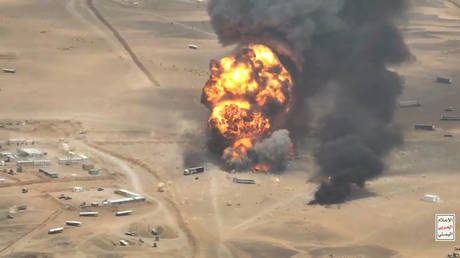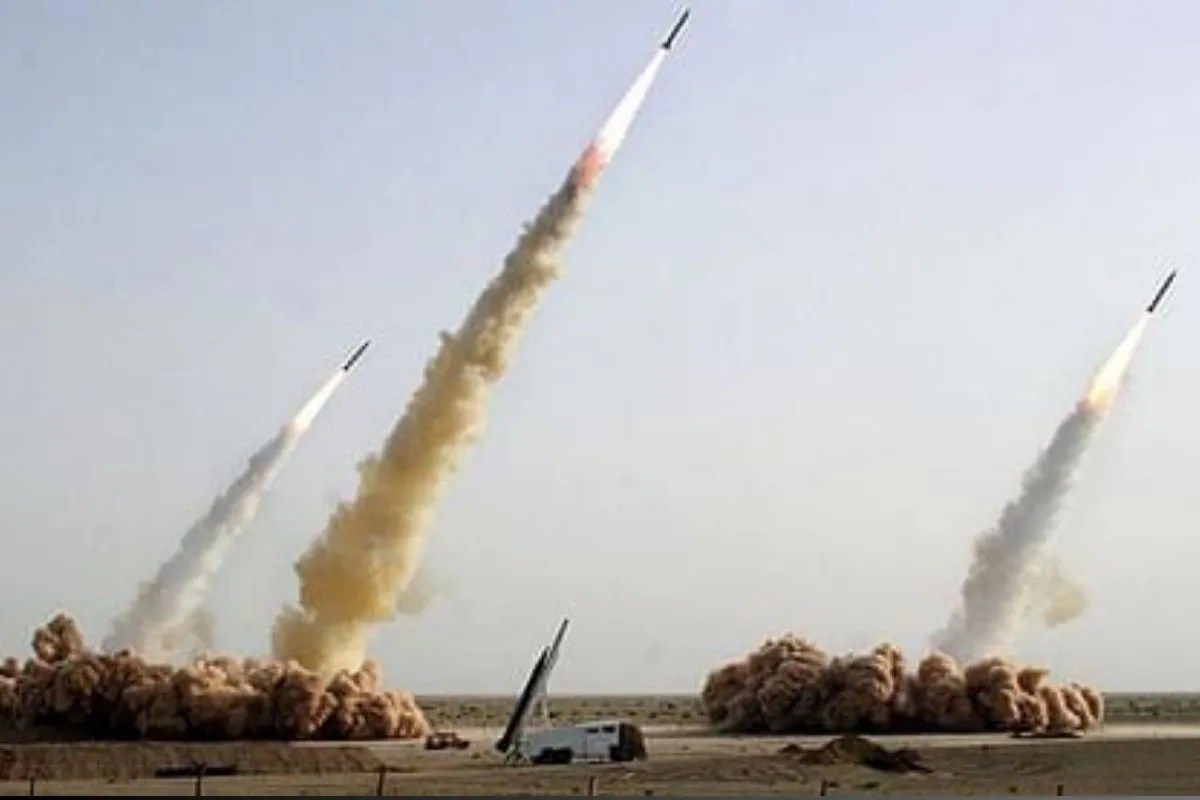
Escalation dynamics in modern state-on-state confrontations follow strict mechanical thresholds rather than emotional trajectories. When kinetic strikes breach sovereign boundaries across multiple nodes simultaneously—stretching from littoral positions to critical energy infrastructure—the event ceases to be a localized tactical exchange and transforms into a systemic stress test of regional deterrence architecture. Observers frequently misinterpret these synchronization efforts as random acts of aggression, missing the underlying logistical calculus that governs multi-theater kinetic operations.
Geographic vulnerability dictates every phase of strategic retaliation. Coastal artillery placements, maritime choke points, and inland logistics hubs operate as interdependent nodes within a broader military network. Striking these points in a single coordinated window requires precise sensor-to-shooter loops, encrypted command paths, and substantial stockpiles of precision-guided munitions. The primary objective behind simultaneous multi-point strikes is not total annihilation of opposing forces, but rather the temporary saturation of air defense networks. By forcing command centers to process multiple threat vectors at exact temporal intervals, an attacker degrades the adversary's response efficiency, creating operational windows for secondary strikes against high-value fixed assets.
Command and control resilience determines the viability of any extended campaign. Modern military infrastructure relies heavily on centralized intelligence processing and automated communication arrays. When these nodes face kinetic pressure, decision-makers must choose between maintaining rigid central oversight or devolving authority to tactical commanders in the field. Centralization preserves strategic coherence but introduces catastrophic single points of failure. Decentralization accelerates local defensive reactions but drastically increases the probability of friendly fire incidents and unauthorized escalation. Strategic analysis of multi-front conflicts requires tracking how quickly an actor adapts their communication architecture under heavy signal jamming and physical disruption.
Resource scarcity imposes hard operational ceilings on prolonged engagements. High-intensity drone and missile exchanges consume rare-earth components, specialized rocket motors, and secure guidance chips at rates that outpace industrial replenishment capacity. Actors entering these conflicts must balance their daily expenditure rate against domestic stockpiles and external supply chains. When inventory levels drop past critical thresholds, strategy must shift from offensive saturation to conservation, forcing a reliance on asymmetric deterrence models or rapid diplomatic pauses. The sustainability of a campaign depends entirely on the depth of the defender's interceptor reserves versus the attacker's inventory of offensive delivery platforms.
Economic fallout radiates outward along predictable supply corridors, prioritizing energy markets and maritime transit insurance. A localized strike on regional fuel processing hubs immediately forces global energy exchanges to reprice risk premiums, regardless of whether physical damage halted actual production flows. Shipping operators recalibrate transit routes to avoid contested zones, adding transit days and fuel overheads to international trade. Financial exposure spreads through secondary and tertiary markets, affecting currency stability in net-importer nations within weeks of the initial kinetic event. Evaluating the true cost of regional conflict requires examining these compounding macro-financial friction points rather than focusing exclusively on the immediate physical reconstruction expenses.
Intelligence asymmetries frequently distort threat perception during acute crises. Intelligence agencies rely on signal intercepts, satellite telemetry, and human assets, each carrying inherent error margins and susceptibility to strategic deception. When an adversary conceals mobile launcher positions or stages decoy movements, defending forces risk expending scarce interceptor inventories on false targets. Conversely, failing to recognize a genuine preparation cycle leads to strategic surprise. Analysts must assess the signal-to-noise ratio within intercepted communications to determine whether observed force movements represent standard rotation patterns or final preparations for coordinated launches.
Asymmetric proxy networks complicate traditional deterrence frameworks by introducing plausible deniability. State actors utilize aligned non-state militias to project power across borders, allowing them to inflict strategic costs while formally insulating themselves from direct retaliation. This architecture fragments the target's response options. Striking the proxy directly may fail to deter the patron state, while launching a direct kinetic campaign against the patron risks uncontrolled regional escalation. Managing this friction requires calibrated proportional responses that target the specific logistical and financial pipelines sustaining the proxy network without crossing the threshold into total war.
Logistical endurance ultimately dictates the outcome of prolonged strategic standoffs. The side capable of maintaining operational tempo through continuous resupply, rapid battle-damage repair, and psychological sustainment of its population secures the tactical advantage. Long-term stabilization depends on establishing verifiable verification mechanisms, creating reliable de-confliction channels between opposing militaries, and addressing the root economic vulnerabilities that enabled the initial escalation spiral. Future stability frameworks must abandon static deterrence concepts in favor of dynamic risk-management models that account for automated weapons systems and rapid cyber-kinetic integration.