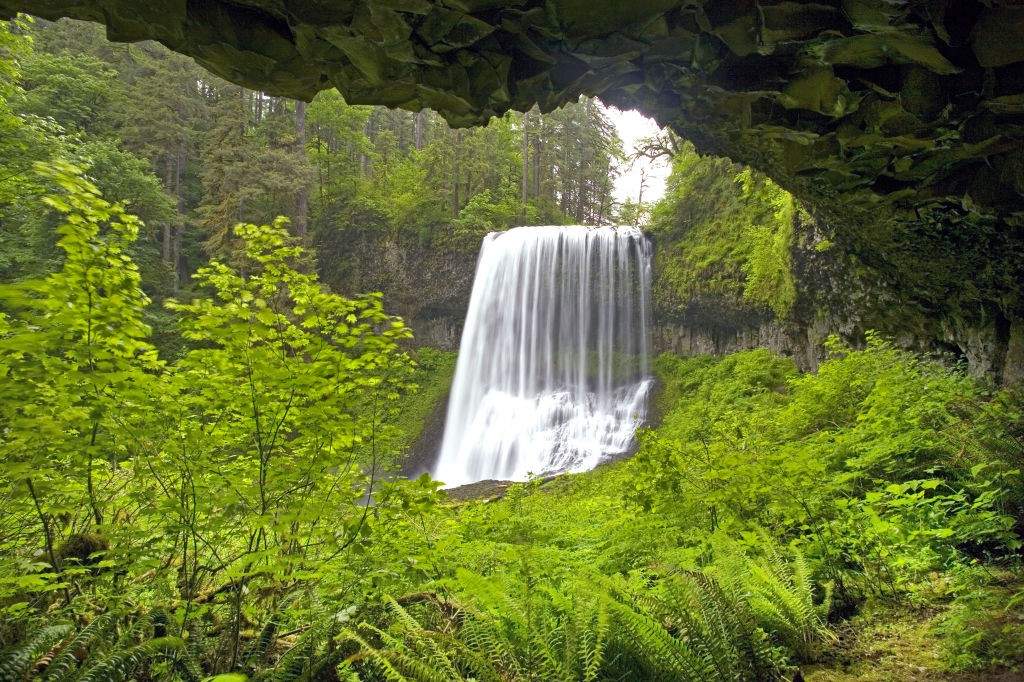
The fatal fall of a twenty-year-old individual at an Oregon waterfall highlights a recurring systemic failure in outdoor recreation: the mismatch between individual risk perception and the objective mechanical hazards of unmanaged terrain. When recreational accidents occur during media capture activities, public discourse typically focuses on the behavioral symptom rather than the underlying structural incentives. This analysis deconstructs the variables governing wilderness navigation accidents, mapping the intersection of cognitive bias, environmental physics, and site management frameworks.
The Cognitive Cost Function of Visual Optimization
Modern recreation is heavily influenced by the optimization of experiences for digital distribution. This introduces a distinct behavioral variable into wilderness settings. Individuals frequently substitute physical safety heuristics for visual composition heuristics.
The mechanism operates through a distortion of attention allocation. When an operator focuses on framing a shot through a viewfinder or smartphone screen, peripheral environmental awareness degrades. Spatial boundaries, such as the edge of a wet basalt shelf or an unstable mud bank, are processed as two-dimensional boundaries rather than three-dimensional hazards.
The attention economy creates a subtle psychological pressure. The perceived value of the media asset increases inversely with the perceived accessibility or danger of the vantage point. Consequently, individuals bypass established safety margins to capture unique perspectives. This behavioral adjustment alters the baseline risk profile of standard hiking activities, shifting the failure mode from physiological exhaustion to structural fall trauma.
Environmental Physics and Surface Failure Modes
Natural water features present complex physical dynamics that defy casual risk estimation. Oregon waterfalls, typically situated in high-moisture gorge environments, feature specific geological and hydrological hazards that dictate the mechanics of slip-and-fall incidents.
The primary physical variable is the presence of biotite, organic films, and mineral precipitates on rock surfaces. Sub-visible layers of cyanobacteria and algae, combined with constant mist spray, reduce the coefficient of static friction to near zero. A surface that appears visually secure can exhibit high shear mobility under foot pressure.
[Hydrological Spray] + [Organic Biofilm] = Reduced Static Friction Coefficient
[Reduced Friction] + [Vertical Gradient] = Exponential Fall Velocity
Furthermore, the hydraulic action surrounding waterfall plunge pools creates undercut banks and unstable alluvial deposits. Edges composed of compressed soil, organic debris, and weathered rock often lack internal tensile strength. When a load is applied near the perimeter of an undercut cliff, the shear stress frequently exceeds the soil matrix strength, resulting in sudden structural collapse of the footing itself rather than a simple slip.
Institutional Risk Architecture and Site Control
Land management agencies face a persistent optimization problem when balancing public access with life-safety mitigation. Constructing comprehensive physical barriers across thousands of acres of rugged terrain is economically unfeasible and environmentally destructive. Therefore, agencies rely on administrative controls, such as signage, boundary markers, and recommended trail designations.
These administrative controls often fail due to the risk compensation phenomenon. When an environment is partially modified or signed with warnings, visitors frequently misinterpret the absence of physical blockades as tacit approval of exploration beyond the designated path. The presence of social trails—paths created by previous visitors rather than land managers—signals a false consensus of safety.
Administrative Signage -> Visitor Risk Compensation -> Social Trail Utilization -> Edge Exposure
When institutional interventions rely solely on informational nudges rather than hard physical restriction, the burden of hazard mitigation shifts entirely to the individual. In high-consequence environments, where a single misstep results in catastrophic kinetic impact, relying on individual hazard recognition without rigorous baseline training generates a high statistical probability of adverse outcomes over large sample sizes.
Systemic Variables in Emergency Extraction Latency
Beyond the moment of failure, the survival probability in wilderness trauma events is governed by extraction latency. Remote geographic locations introduce multi-layered logistical bottlenecks that complicate emergency response frameworks.
Cellular connectivity in deep gorge environments is frequently degraded or nonexistent. This introduces a significant time delay between the initial incident and the transmission of distress signals to search and rescue coordinators. Once notified, response units must navigate difficult terrain with heavy medical and rigging equipment.
The physical geography of waterfalls—characterized by steep vertical drops, dense canopy cover restricting aerial extraction, and deafening ambient noise that prevents verbal communication—complicates on-scene triage. Every minute added to the extraction timeline exponentially increases the mortality rate for trauma patients suffering from internal hemorrhaging or severe head injuries.
Strategic Capital Allocation for Mitigation
Addressing the systemic drivers of wilderness accidents requires moving beyond reactive public safety announcements. Land management agencies and tourism boards must restructure their intervention methodologies.
Investment must shift toward high-impact physical containment at known high-risk vantage points. Where visitor volume concentrates around specific geographical anomalies like waterfalls, the deployment of engineered viewing platforms and positive barriers removes the variable of individual spatial miscalculation. Concurrently, regional tourism marketing must decouple aesthetic promotion from dangerous off-trail positioning, eliminating the implicit encouragement of high-risk media capture in unmanaged environments.