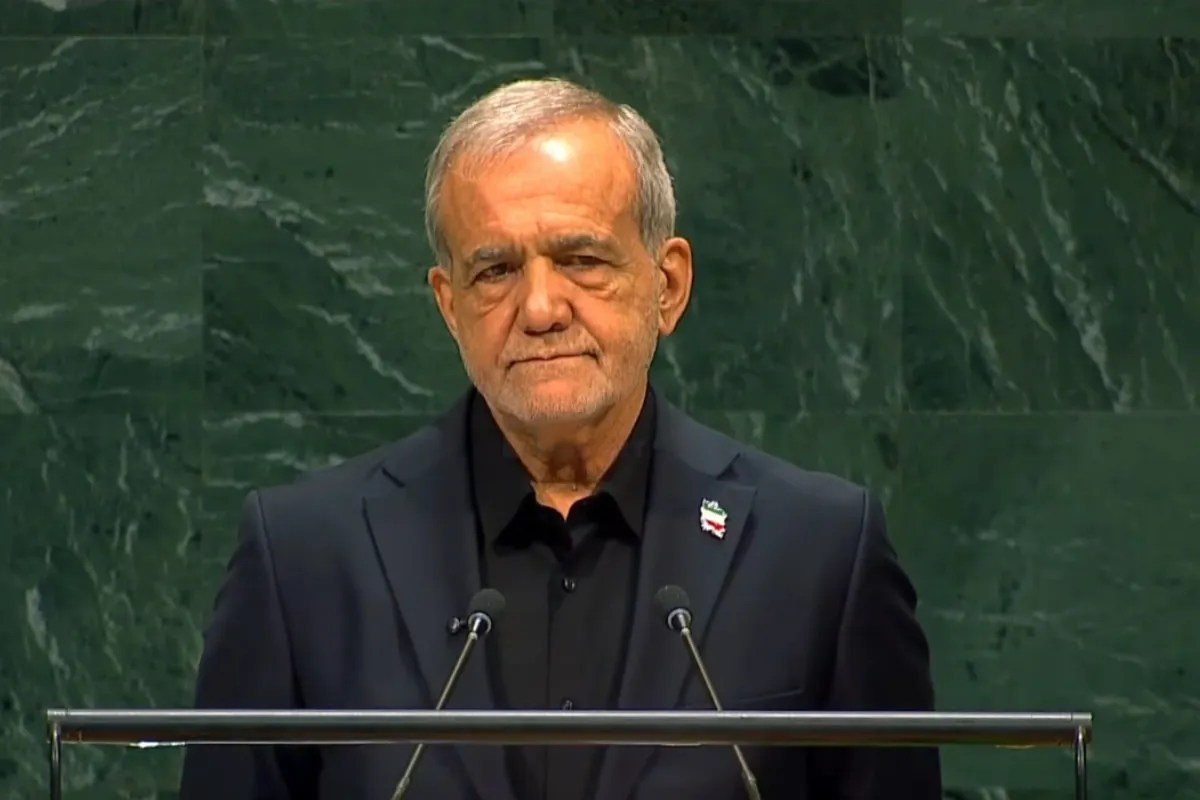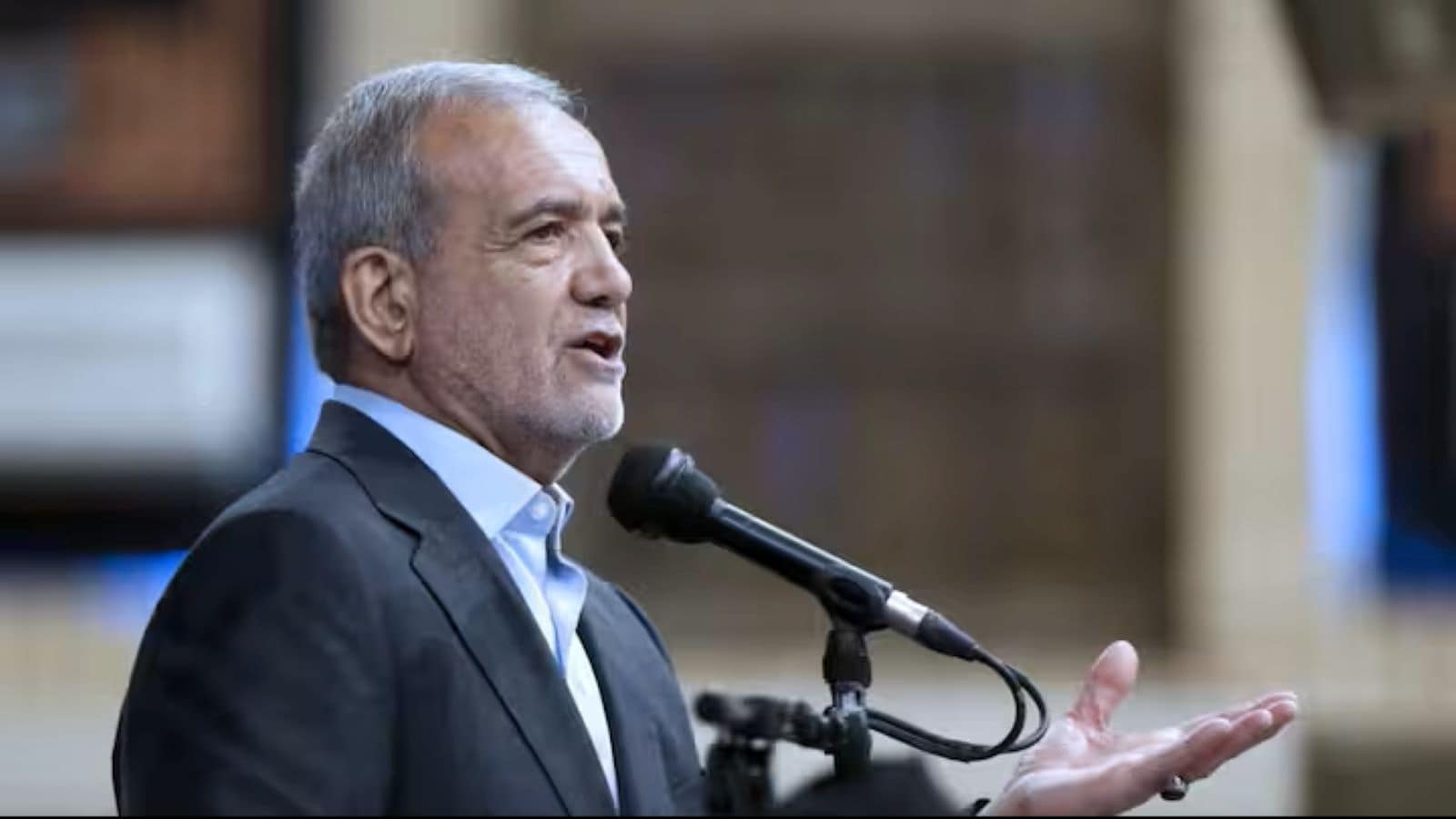
Iranian President Masoud Pezeshkian stood before state media and delivered an unvarnished assessment of modern statecraft. Negotiating with the United States, he declared, is entirely meaningless. His frustration was not built on abstract ideological grievances, but on a tactical calculation born from bitter recent history. According to Tehran, Washington has repeatedly paired diplomatic engagement with sudden military escalation, launching attacks even while delegations sat across tables trying to chart a peaceful course.
This dynamic reveals a stark reality about contemporary international relations. Diplomacy is frequently utilized not as an instrument for mutual resolution, but as a smoke screen for kinetic positioning. Meanwhile, you can find related developments here: Geopolitical Friction And Domestic Mandates The Structural Mechanics Of Foreign Crises On Electoral Outcomes.
To understand why talks between Washington and Tehran continuously implode, one must look past the public posturing and examine the structural incentives driving both capitals. For the White House, engagement serves domestic political utility and international optics. It projects an image of measured restraint while maximum pressure campaigns, sanctions, and covert actions continue unchecked. For Tehran, entering negotiations is often an attempt to buy time, relieve acute economic strangulation, and test whether American leadership is willing to trade sanctions relief for nuclear concessions.
Yet every cycle follows a predictable, destructive arc. To understand the bigger picture, we recommend the excellent article by BBC News.
Delegations meet through intermediaries. Whispered compromises circulate in European capitals or Gulf monarchies. Optimism flickers across foreign desks. Then, the velvet glove comes off. A new round of sanctions hits Iranian aviation or shipping. A strike targets strategic infrastructure or allied assets. Tehran responds in kind, closing off critical maritime chokepoints or accelerating nuclear enrichment milestones. The table breaks. The diplomats pack their briefcases.
Pezeshkian represents a reformist faction within Iran that genuinely sought an economic opening through international reintegration. His entire political platform was built on the premise that sanctions could be lifted through constructive dialogue, easing the crushing burden on ordinary Iranian citizens who watch their currency erode daily. When a leader whose domestic mandate rests on diplomatic engagement concludes that dialogue is futile, the political center of gravity shifts entirely. Hardliners within the Islamic Revolutionary Guard Corps gain absolute vindication. Their longstanding thesis is proven correct in the eyes of the establishment: Washington does not want an agreement; Washington wants unconditional capitulation.
This creates a dangerous zero-sum trap.
When talks are perceived purely as a trap, neither side invests in sustainable outcomes. Washington calculates that relentless economic pressure will eventually induce regime fracture or force a total surrender of regional influence. Tehran calculates that endurance, asymmetric deterrence, and calculated escalation will eventually raise the cost of American intervention beyond what Washington is willing to bear.
The middle ground vanishes. What remains is a perpetual state of managed hostility where diplomatic channels do not prevent conflict, but merely punctuate it. As long as negotiations are treated as an extension of warfare by other means, Pezeshkian’s bleak diagnosis will remain the governing law of the region. Peace requires mutual vulnerability, but in this theater, showing vulnerability is treated as a fatal operational error