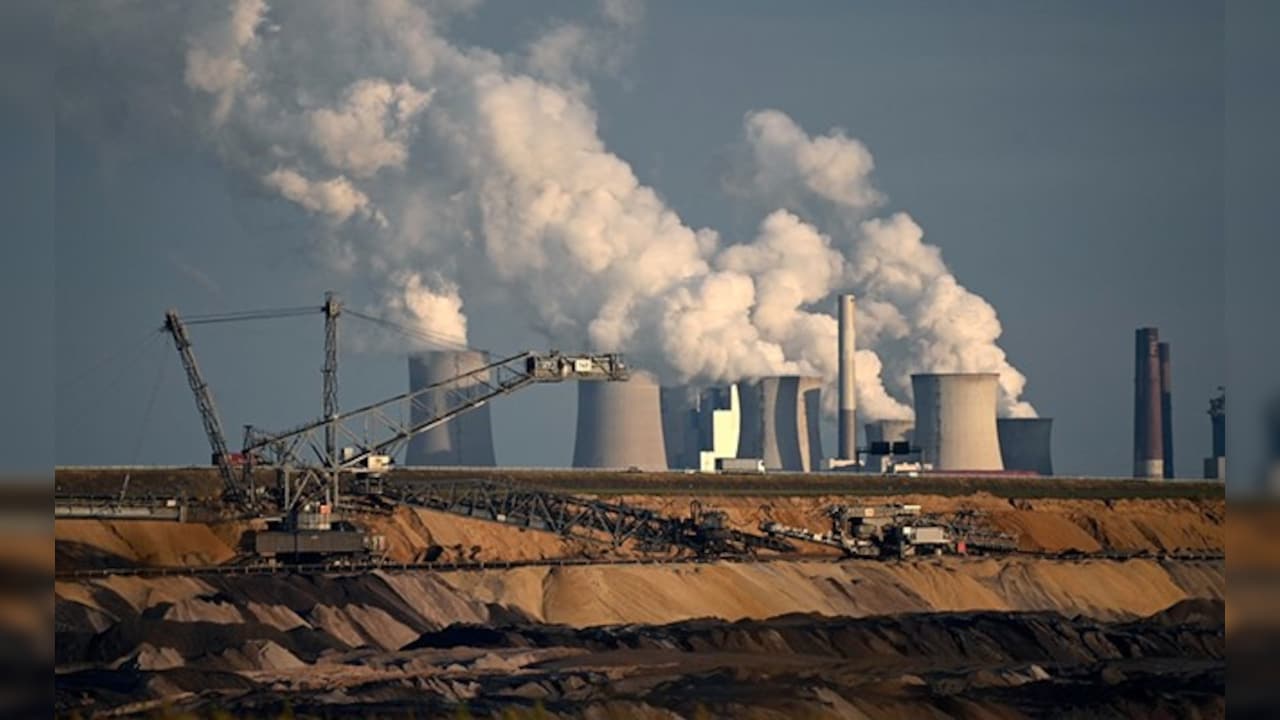
India does not face a geological shortage of coal; it faces a spatial synchronization failure between pithead inventory and thermal boiler burn rates. When approximately 76 million tonnes of coal sit accumulated at pitheads while dozens of thermal power plants across the country drop to critically low fuel cover—leaving nearly half of monitored facilities below comfortable buffer norms at peak stress points—the standard headline narrative of a "coal crunch" misdiagnoses the system. A supply crisis caused by missing geological reserves looks completely different from an operational crunch caused by velocity mismatches, non-pithead geography, and non-solar grid demand.
To understand why thermal stations run short despite ample domestic supply, analysts must separate stock from flow, map the geographic penalty paid by inland generators, and examine how renewable additions alter—rather than eliminate—baseload dispatch stress.
Deconstructing the Competitor's Premise
Opinion commentary built around a headline figure like "76 million tonnes" typically treats an aggregate mine-mouth number as a national inventory safety net. That framing commits three analytical errors:
- Stock-Flow Conflation: Pithead stock is a point-in-time balance sheet figure at the extraction origin, whereas plant fuel security is a dynamic flow metric governed by daily dispatch tonnage minus daily boiler consumption.
- Spatial Homogeneity Assumption: Treating coal as a single fungible pool ignores rail rake availability, siding congestion, rainy-season haul road degradation, and the distance between eastern coalfields and western or southern load centers.
- Linear Renewables Offset: Assuming rapid solar capacity growth automatically reduces thermal stress overlooks evening and non-solar demand curves, where coal remains the primary dispatchable backstop.
When a commentary piece stops at pointing out the paradox—"enough coal exists, yet plants run short"—it leaves the causal chain incomplete. The real question for grid operators and industrial buyers is not whether coal exists underground or at mine mouths, but why ton-kilometers of movement lag gigawatt-hours of demand during weather and load spikes.
The Four Mechanics of a Thermal Fuel Squeeze
A rigorous operational model of India's coal-to-power chain rests on four interacting mechanics rather than a single villain.
1. Burn-to-Dispatch Velocity Mismatch
Electricity demand rarely moves in smooth increments when weather shifts. Heatwaves, dry spells, or lagging hydroelectric generation push thermal plants to run at high plant load factors precisely when monsoon rains or wet pit conditions complicate mining extraction and overland haulage. Even when total dispatches rise year-on-year, incremental deliveries can fall short of incremental consumption during sharp demand surges. When daily burn exceeds daily arrival over consecutive weeks, on-site stockpiles drain down toward minimum operating thresholds.
2. The Non-Pithead Distance Penalty
Thermal power plants fall into two distinct logistical archetypes: pithead stations sitting adjacent to mines, and non-pithead stations located hundreds or thousands of kilometers away across the grid. Pithead facilities face minimal transit lag once coal is mined. Non-pithead stations—which account for the overwhelming share of plants that slip into critical stock territory during logistics squeezes—depend on multi-stage movement involving crushers, rapid loading systems, rail rakes, and road transport. Any bottleneck in rake turnaround, track capacity, or last-mile road haulage compounds transit time and erodes buffer days far faster than at mine-adjacent units.
3. Evening Load and Non-Solar Baseload Pressure
Solar generation has expanded substantially across India's grid mix, lowering daytime thermal pressure on sunny days. The vulnerability concentrates outside solar hours—particularly during evening peaks and periods when solar output drops or hydro generation dips. Because large-scale storage has historically trailed utility solar deployment and coal still provides roughly two-thirds to seventy percent of total electricity generation, the grid remains heavily reliant on coal-fired units to balance evening and sustained non-solar load.
4. Administrative Allocation vs. Spot Market Spillover
When plant inventories tighten, fuel allocation naturally tilts toward power utilities under priority supply rules and special dispatch directives. While prioritizing power plants protects grid stability, it squeezes non-regulated sectors—such as cement, steel, sponge iron, and brick kilns—that rely on e-auctions or imported coal. Tight domestic e-auction availability pushes industrial buyers toward seaborne imports, and heavy utility restocking in the spot market or import window raises power procurement costs for distribution companies and state utilities.
Consider a non-pithead utility operating with a 12-to-20-day normative stock target. If daily coal receipts slip by 15% due to wet haul roads and rail congestion while evening and industrial demand lifts daily burn by 10%, the plant does not merely lose one day of cover per day—the gap widens on both sides of the ledger. Within two to three weeks, a comfortable buffer can compress into a single-digit day count, forcing emergency rake prioritization or spot-market power purchases.
Separating Proven Facts from Analytical Hypotheses
Clear decision-making requires separating verified structural observations from working hypotheses:
Established Operational Facts:
- India holds vast domestic coal reserves and maintains substantial pithead stocks at major producers such as Coal India relative to single-plant daily burn, yet thermal power plants repeatedly experience low fuel stock episodes when logistics or demand spikes occur.
- Coal remains the dominant backbone of India's electricity generation, supplying roughly 70% of power, so weather-driven demand surges or hydro shortfalls rapidly translate into higher thermal coal consumption.
- Non-pithead plants face higher replenishment friction than pithead plants and carry higher normative stock requirements to buffer transit variability.
Educated Hypotheses (Subject to Verification by Real-Time Telemetry):
- Pithead stock figures can remain elevated on paper while effective dispatchable supply tightens if evacuation infrastructure, siding throughput, or grade-specific matching lags behind mine output.
- Pre-summer inventory rebuilding cycles face compounding risk when post-monsoon restocking starts from a depleted baseline alongside rising non-solar peak demand.
- Mandatory blending or spot-market procurement directives relieve immediate plant shutdown risk at the cost of higher delivered fuel expenses and tighter competition for imported cargoes.
Diagnostic Checklist for Power Planners and Industrial Buyers
Instead of reacting to headline inventory counts, teams managing power procurement or coal-intensive operations can run a five-step diagnostic:
- Track Net Daily Coverage by Archetype: Segment monitored plants into pithead and non-pithead cohorts and measure days of stock against actual rolling 14-day burn rather than static seasonal averages.
- Audit Evacuation Velocity, Not Just Mine Output: Compare daily rake loading and siding dispatch rates against pithead production to spot where coal is accumulating without moving.
- Model Non-Solar Ramp Windows: Stress-test thermal dispatch requirements during evening peak hours and hydro or wind lulls, where solar capacity cannot substitute for coal.
- Price Cross-Sector Spillover Early: Watch e-auction clearing premiums and thermal import activity as leading indicators of industrial fuel tightness and short-term power exchange price spikes.
- Enforce Seasonal Buffer Milestones: Set hard pre-summer and post-monsoon inventory gates well ahead of peak cooling and agricultural load months rather than relying on late-stage emergency dispatches.
Limitations and Analytical Blind Spots
No single metric resolves fuel security in a continental grid. Aggregate national days-of-cover averages mask severe plant-level skew because a handful of well-stocked pithead stations can pull up the mean while dozens of distant plants sit near critical thresholds. Similarly, using imported coal as a blanket fix introduces foreign exchange exposure, port handling constraints, and boiler calorific-value tuning trade-offs, while over-relying on emergency directives can distort commercial fuel contracts and delay structural rail and storage upgrades.
Strategic Play
Treat pithead coal inventories as a logistics and scheduling problem rather than a resource scarcity problem. For policymakers and grid operators, the highest-leverage move is pairing dedicated rail evacuation and on-site storage expansion at non-pithead plants with strict seasonal buffer targets locked in well before peak summer demand—treating evening non-solar reliability as the binding constraint of the energy transition. For industrial coal buyers, the decisive play is locking in multi-origin supply optionality—blending domestic contract or auction allocation with contingency seaborne sourcing—and advancing procurement schedules ahead of utility restocking waves.


