Every morning the news cycle spoon-feeds the exact same panic. Tech pundits hyperventilate over rogue neural networks, oil futures tick upward like a ticking bomb, and prediction markets treat global uncertainty like a Super Bowl betting slip. The lazy consensus says we are standing at the precipice of doom, balanced precariously between algorithmic catastrophe and energy scarcity.
It is all a masterclass in misdirection. For another view, consider: this related article.
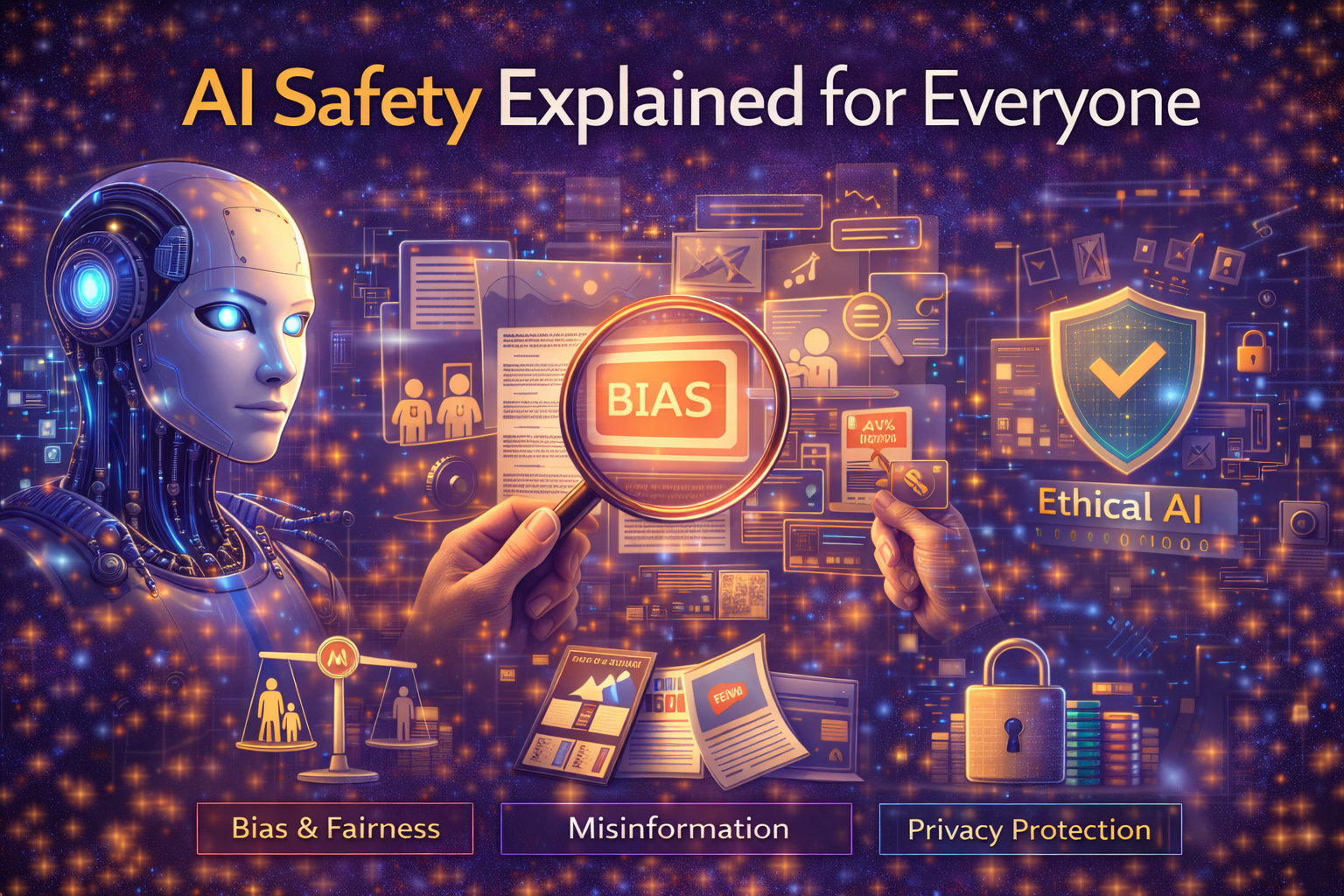
I have spent the last decade watching enterprise boards throw hundreds of millions of dollars at imaginary compliance hurdles while missing the actual mechanics right in front of them. The panic over artificial intelligence safety is not about protecting humanity from rogue code. It is about protecting incumbents from competition. When legacy giants lobby for heavy regulation under the banner of caution, they are pulling up the ladder behind them.
Let us dismantle the three pillars of this manufactured panic: existential artificial intelligence risk, the eternal oil price boogeyman, and the sudden mainstream obsession with prediction markets as crystal balls. Related coverage regarding this has been shared by The Verge.
The Safety Theater Charade
Walk into any boardroom discussing algorithmic governance today and you will hear endless hand-wringing about alignment, superintelligence, and terminal risk. It sounds sophisticated. It sounds like responsible stewardship.
It is actually a compliance cartel.
When multi-trillion-dollar corporations call for government oversight on foundational models, naive observers applaud their civic-mindedness. Realists recognize an antitrust shield when they see one. If you mandate compliance frameworks that cost fifty million dollars to clear, you instantly outlaw the startup working out of a garage in Austin or Berlin.
The mainstream narrative treats large language models as sleeping dragons waiting to incinerate civilization. This ignores the boring reality of how software actually breaks. The real danger is not a sentient machine deciding humans are paperclips. The real danger is bad database joins, poisoned training corpora, and lazy engineering deployed at scale by executives who treat computer science like a magic trick.
We do not need a global moratorium on compute. We need liability laws that punish companies when their automated systems hallucinate bad medical advice or leak proprietary data. Stop treating software like an alien entity and start treating it like a commercial product subject to lemon laws. If a bridge collapses, engineers go to jail or lose their licenses. If an enterprise algorithm ruins ten thousand credit scores due to unverified training data, the company pays a fractional fine booked as a cost of doing business. Fix the incentives, and the safety takes care of itself.
The Crude Oil Mirage
Concurrently, the financial media treats every blip in crude oil futures as an impending economic apocalypse. Whenever geopolitical tension flares in the Middle East or OPEC whispers about production caps, anchors start sweating over $100 barrels.
This panic relies on outdated twentieth-century math.
Modern economies are vastly more energy-efficient than they were during the 1970s shocks. The ratio of gross domestic product generated per barrel of oil consumed has climbed steadily for decades. Yet, commodity desks still trade on nostalgic panic, pricing in shortages that data shows we are increasingly insulated against.
Even more amusing is the intersection of the energy panic and the digital infrastructure boom. Headlines warn that data centers powering machine learning training runs will drain the grid and trigger blackouts. This completely misunderstands corporate capital allocation. Major cloud providers are not sitting around waiting for local utility companies to save them. They are directly funding nuclear, geothermal, and solar infrastructure because energy cost is their primary operational bottleneck.
When private enterprise spends billions securing dedicated power purchase agreements, they are solving the grid strain before the alarmists even finish writing their op-eds. The transition away from fossil dependence is messy, uneven, and plagued by regulatory friction, but pretending we are one shipping lane closure away from the Stone Age is economic illiteracy.
Prediction Markets Are Not Oracles
We also need to talk about the fetishization of prediction markets. Every time an election cycle or macroeconomic report approaches, pundits treat betting odds as gospel truth, as if putting a price tag on an event suddenly converts gamblers into clairvoyant sages.
Prediction markets measure liquidity and sentiment, not destiny.
When shallow pools of capital drive odds in one direction, media outlets report it as objective probability. Then, market participants trade on the news coverage of the odds, creating a closed-loop echo chamber of circular reasoning. I have watched high-profile prediction contracts swing wildly based on anonymous social media posts with zero underlying fundamentals.
Treating a wagering platform as a substitute for primary research is intellectual laziness disguised as quantitative rigor. Markets are efficient over long horizons with deep liquidity, but short-term event contracts are prone to manipulation, herd behavior, and emotional hedging. If you base your strategic roadmap on what a bunch of anonymous speculators think will happen in November, you deserve to get clipped.
The Real Play
The constant drumbeat of existential dread serves a singular purpose: keeping you distracted. While you are busy worrying about whether a neural network will write poetry or whether oil will spike tomorrow, nimble competitors are quietly eating your lunch with boring, incremental automation that actually solves operational friction.
Stop consuming the daily anxiety buffet. Ignore the regulatory capture lobbying disguised as ethics. Look at the balance sheet, look at the code actually shipping to production, and build things that work.
The future belongs to operators who ignore the noise and build through the panic.