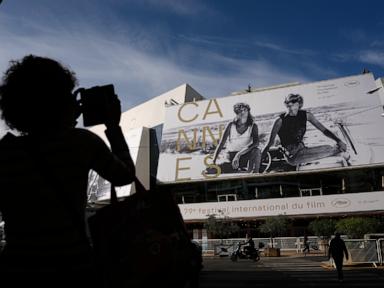
Walk down the Boulevard de la Croisette during the Cannes Film Festival and you will hear the same fierce debates every year. Celluloid versus digital. Netflix versus traditional theaters. This year, the conversation shifted entirely. Artificial intelligence dominated the panels, the beachside parties, and the quiet hotel room negotiations where movies actually get made.
Some purists view the technology as an existential threat to cinema. They are wrong. It is already here, and it is reshaping the industry from the bottom up.
If you look past the sensationalized headlines about robots stealing jobs from screenwriters and directors, a different reality emerges on the ground in France. The real story of AI at the Cannes Film Festival is not about a computer writing the next Palme d’Or winner. It is about a massive power shift in production, distribution, and independent filmmaking.
The industry is terrified, but the smartest creators are quietly using these new tools to bypass the traditional Hollywood gatekeepers entirely.
The Secret Panels Driving the Croisette
Behind the glamorous red carpet premieres, the Marché du Film—the festival's massive business market—served as the real battleground for technology this year. Investors and studio executives packed crowded rooms to look at software, not just scripts.
The discussions were brutal. Independent producers openly admitted they are using machine learning to slash budgets by 30% or more.
For a small indie film, that is the difference between getting made or dying in development hell.
Average Indie Film Budget Breakdown (Traditional vs. AI-Assisted)
- Script Analysis & Scheduling: Saving roughly 5 days of manual labor.
- Visual Effects Pre-visualization: Cutting costs by up to 40%.
- Localization & Dubbing: Saving hundreds of thousands on international distribution.
The fear is palpable among the artistic crowd. Legendary creators used their press conferences to warn against losing the human soul of cinema. Their concerns are valid. When a machine can analyze thousands of successful screenplays and suggest structural edits to maximize audience retention, the art risks becoming a product designed purely for algorithms.
How Independent Filmmakers Fight Back
The traditional funding model for independent cinema is broken. Finding investors takes years. Foreign sales are shrinking. But during the festival marketplace, several independent directors revealed how they used generative tools to raise capital in weeks instead of months.
They do this through advanced pre-visualization. Historically, creating high-end concept art and proof-of-concept trailers cost a fortune. Directors had to rely on mood boards made of ripped imagery from other movies.
Now, a filmmaker can generate stunning, hyper-specific visual concepts that match their exact vision. They can show investors exactly what the film will look like before a single camera rolls.
This levels the playing field. A kid with a brilliant script in dynamic imagery can stand next to a seasoned producer with a massive studio art department. It democratizes the pitching process, stripping away the advantage held by those with deep pockets.
The Death of the Bad Dub
International distribution is another area seeing massive disruption at Cannes. The festival celebrates global cinema, but subtitles and poor dubbing have always limited how many people actually watch foreign films.
New voice-cloning and lip-syncing technologies are changing this entirely.
Imagine a French thriller starring a local icon. Instead of a jarring English dub that looks like an old kung fu movie, software can now alter the actor's mouth movements to match the English translation perfectly. It keeps the actor’s actual voice, their inflections, and their emotional delivery.
Purists argue this alters the original performance. It does. But it also opens up global audiences for films that would otherwise never leave their home country. Distributors at Cannes are buying up foreign language rights specifically because they know they can seamlessly localize the content for global streaming audiences.
The Legal and Ethical Nightmare Nobody Is Solving
The mood isn't entirely optimistic. Walk into the legal seminars at the festival and the tone turns dark. The industry is rushing forward to use these tools while the legal framework remains a total mess.
The biggest issue discussed by entertainment lawyers in Cannes revolves around training data and copyright. If a visual effects tool creates a stunning background based on millions of images created by human artists without their consent, who owns the final output? Studios are terrified of future lawsuits. Some major completion guarantors—the companies that insure film productions—are refusing to sign off on projects that use certain generative tools without verified, clean training datasets.
- Copyright Vulnerability: The US Copyright Office has repeatedly ruled that AI-generated material cannot be copyrighted. Studios risk losing exclusive rights to their own content if they rely too heavily on machine generation.
- Labor Striking Back: The scars from recent Hollywood union strikes are fresh. European guilds are now organizing to create strict boundaries around digital replicas of actors and the use of automated script doctors.
- The Problem of Trust: Documentarians at Cannes expressed deep concern over the death of visual truth. When deepfakes become indistinguishable from reality, the entire genre of non-fiction filmmaking faces an identity crisis.
Surviving the Transition
The filmmakers who will survive this shift are not the ones pretending it isn't happening. They are the ones treating it like the introduction of sound or the transition from film to digital tape.
If you are a creator trying to navigate this landscape, you need to understand where the technology adds value and where it destroys your unique voice. Do not use machines to write your stories. The results are bland, predictable, and lack human nuance. Instead, use these tools to automate the administrative nightmare of filmmaking. Use them to organize your shots, to budget your days, and to create visual references that get your project funded.
Focus entirely on the elements a machine cannot replicate: your specific perspective, your lived human experience, and your ability to direct flesh-and-blood actors on a physical set. The future belongs to hybrid creators who use technology to handle the logistics so they can spend more time focusing on the art. Stop worrying about the machine replacing you, and start figuring out how it can fund your next project.