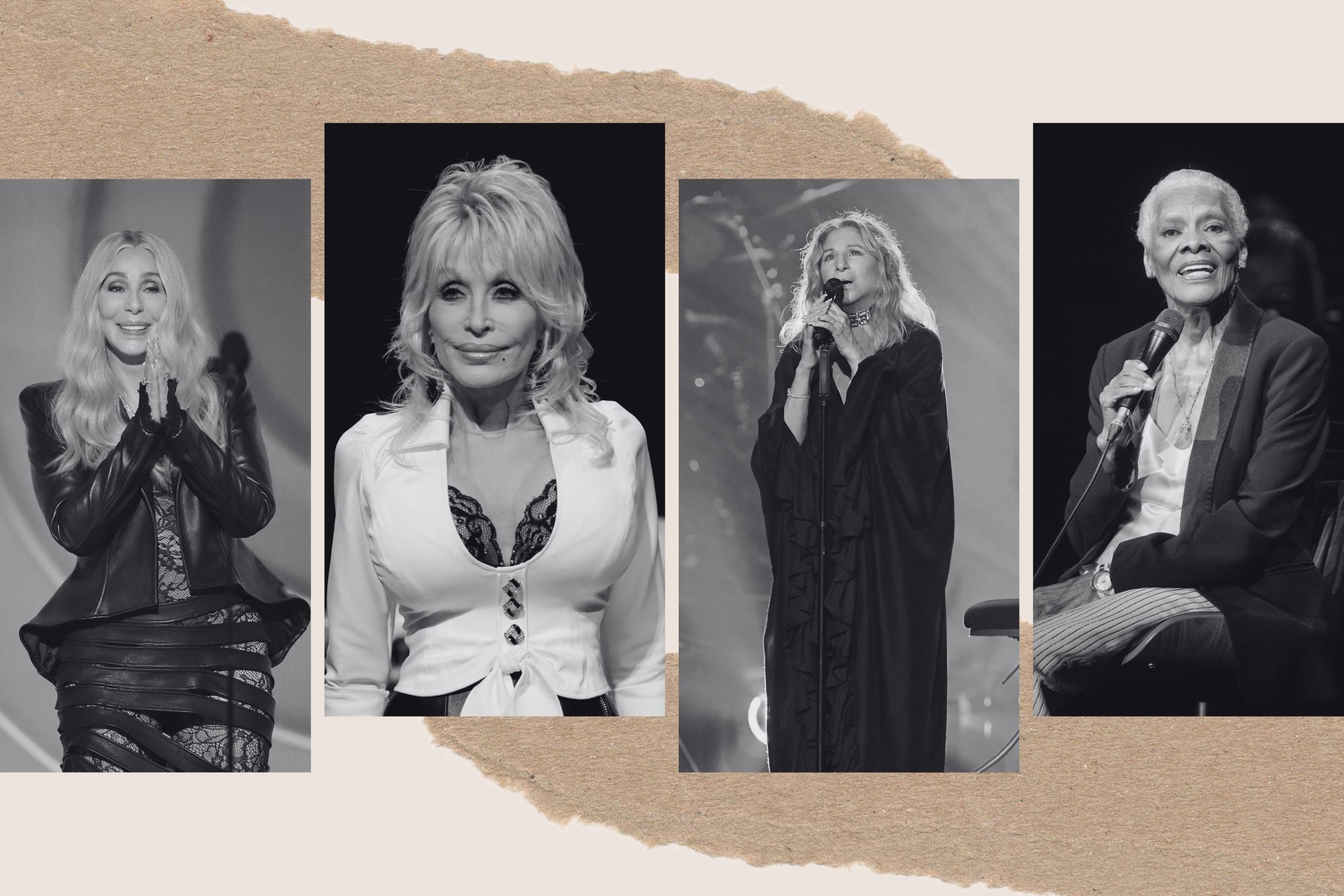
We love a good redemption arc. We especially love when someone eighty years old straps on sequins, hits a high C, and convinces us that time is just a construct. Cultural commentary loves to package octogenarian pop divas as living proof that life gets better with age. They headline festivals. They drop unexpected albums. They flash million-dollar smiles under harsh stage lighting and social media feeds lose their collective mind.
The lazy consensus says these women represent a life well-lived. They defy gravity. They prove that vitality has no expiration date.
It is a comforting illusion. It is also completely backwards.
Look past the red carpets and the curated Instagram reels. These performers are statistical anomalies sustained by multi-million-dollar support systems, personal trainers, medical teams, vocal coaches, and an ego-driven addiction to the spotlight that most humans would find psychologically crippling. Holding them up as a standard for aging well is like looking at an elite Olympic gymnast and telling a middle-aged accountant that their lower back pain is just a mindset issue.
Aging gracefully for an icon means fighting biology with a blank check. For everyone else, trying to emulate that blueprint is a fast track to exhaustion.
The Myth of Perpetual Reinvention
Pop culture obsession demands constant evolution. If you are not reinventing yourself every three years, you are stagnant. When an octogenarian singer stays relevant, media outlets rush to praise their adaptability.
Adaptability is fine. Chronic reinvention as a lifestyle is a pathology.
True longevity requires stability, acceptance, and the quiet courage to become smaller, simpler, and more focused. The relentless push to stay relevant well into old age often signals an inability to let go of validation. When your entire identity is rooted in public adoration, stopping is a form of ego death. Most people do not need a global audience cheering them on at eighty. They need peace, community, and the freedom to be profoundly ordinary.
Chasing the standard set by career entertainers means running a marathon with no finish line. You end up exhausting yourself trying to match the output of people whose livelihood depends on keeping you distracted.
What Real Longevity Actually Demands
If we strip away the PR gloss, what does a sustainable, high-quality later life actually require? It has nothing to do with hitting high notes or selling out stadiums.
Biogerontologists and longitudinal health studies point to boring, unglamorous truths. Real vitality in later decades relies on muscle mass preservation, metabolic health, low chronic inflammation, and deep social bonds. None of these require a glam squad. All of them require discipline that happens in total obscurity.
Notice how rarely those things make a glossy magazine profile. A daily routine of heavy resistance training, strict sleep hygiene, and eating whole foods without a private chef lacks cinematic flair. Society prefers the fairy tale: drink the metaphorical fountain of youth, defy the calendar, and keep performing until you drop.
This creates a dangerous cognitive bias. We look at the survivor bias champions—the ten percent of performers who can still belt a ballad at eighty—and assume anyone can do it with the right attitude. That ignores genetics, wealth, and the toll of decades spent running on pure adrenaline.
The Cost of Never Sitting Down
Ask anyone close to these relentless touring veterans what life looks like behind the scenes. It is rarely a peaceful garden of serenity. It is a machine.
When you make your entire existence a spectacle, you deny yourself the quiet luxury of decline. Decline is natural. Slowing down is not a moral failure. The pressure to remain culturally potent until your final breath tells people that their worth is tethered exclusively to their output and their visibility.
That is not empowerment. That is a gilded cage.
Imagine a scenario where an eighty-year-old icon decides to spend five years sitting on a porch reading history books, completely invisible to the press. The cultural machine would declare them irrelevant. Yet, from a psychological standpoint, that kind of quiet withdrawal might be the ultimate act of self-preservation.
We have confused motion with meaning.
Redefining Success on Your Own Terms
If you want a blueprint for a well-lived life, stop looking at people who require pyrotechnics to feel alive. Look at the people who built quiet foundations, nurtured deep local friendships, and learned how to step off the stage long before the lights went out.
The goal of growing older is not to prove you are still twenty-five. The goal is to master the unique power of every single phase, including the quiet, invisible ones.
Put down the microphone.