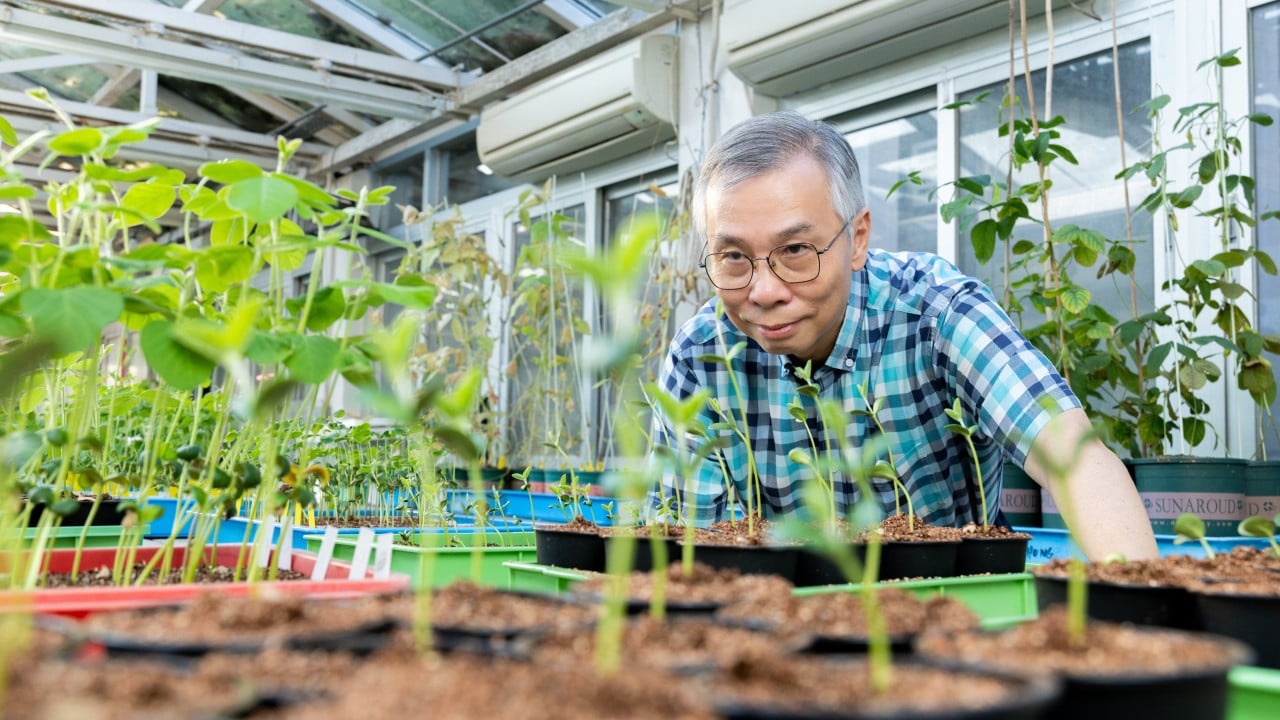
We love celebrating the lone scientist working late in a sterile laboratory, coaxing a soybean to survive two extra degrees of heat or a splash of brackish water. Headlines erupt. Awards are handed out. Champagne corks pop in university faculty lounges. Meanwhile, the supply chain is bleeding dry, and the actual economics of agriculture are laughing at our collective sentimentality.
I have spent the last fifteen years watching venture capital and institutional grants pour millions into academic vanity projects. We throw parades for laboratory breakthroughs while ignoring the structural decay rotting the entire agricultural sector from the inside out. The standard narrative says that if we just engineer a more stubborn soybean through genetic tweaks or clever agronomy, food security magically solves itself.
It is a comforting lie. And it is bankrupting our food systems.
The Fallacy of the Incremental Yield
Let us look at the standard thesis promoted by awards committees everywhere: agricultural salvation arrives one resilient crop variety at a time. The underlying assumption is that farmers fail because their seeds are not tough enough.
This is fundamentally backwards.
Farmers do not go under because their soybeans lack five percent more drought tolerance. They go under because distribution networks are archaic, cold-chain logistics are porous, fertilizer input costs fluctuate wildly based on geopolitical cartels, and middleman markups siphon away every ounce of margin before the crop ever hits a processing plant.
When a scientist wins an award for pushing the agricultural frontier by developing a slightly heartier legume, the media treats it as a revolution. In reality, it is a band-aid on a compound fracture. You can breed a soybean that grows in a parking lot, but if the local co-op lacks the refrigerated transport to move it or the storage silos to protect it from rot, that laboratory triumph is nothing more than expensive compost.
Focusing exclusively on biological optimization while ignoring economic architecture is like tuning the engine of a car with no wheels and expecting to win a grand prix.
The Economics Nobody Wants to Talk About
To understand why traditional agricultural reporting is broken, you have to look at the math of modern farming.
Imagine a scenario where a laboratory successfully develops a high-yield, climate-resistant soybean strain. The seed is patented. The university tech-transfer office locks down the intellectual property rights. By the time the farmer actually gets access to those seeds through commercial distribution channels, licensing fees have eaten up any projected yield advantage.
The system is rigged to reward academic patent portfolios, not agricultural viability.
We talk endlessly about empowering growers, yet we lock essential genetic advances behind corporate paywalls and bureaucratic red tape. Real agricultural innovation is not about making a plant survive a desert; it is about rewriting the financial mechanics that make small and mid-sized farming an exercise in financial self-harm.
I have watched mid-sized operations burn through generational wealth trying to adopt cutting-edge biological inputs that promised the world and delivered a negative return on investment. The promoters of these technologies never stick around to audit the balance sheets. They collect their grant money, pose for the trophy photo, and move on to the next grant cycle.
Dismantling the Sustainability Mirage
Another favorite talking point of the awards circuit is sustainability. Everyone wants to talk about green farming, regenerative practices, and reducing the carbon footprint of a soybean harvest.
Here is the uncomfortable truth: sustainability without profitability is just a slow form of bankruptcy.
You cannot demand that a farmer adopt low-till, high-cost, ecologically pristine methods if those methods cut their net revenue in half and leave them vulnerable to predatory pricing from global commodity traders. The market does not pay a premium for moral high ground when the bank is foreclosing on the tractor loan.
If we want sustainable agriculture, we have to stop treating sustainability as an ethical charity case and start treating it as an economic optimization problem. That means decentralizing supply chains, cutting out bureaucratic parasitic middlemen, and giving growers direct access to end-market pricing structures through transparent digital ledgers rather than archaic local auctions.
Until we fix the economic plumbing, every new soybean variety is just rearranging deck chairs on a sinking ship.
What Actually Moves the Needle
If you want to transform agriculture, stop funding laboratory projects that look good on a university brochure.
Start investing in infrastructural decentralization. Fund localized processing cooperatives so farmers do not have to ship raw crops halfway across the globe just to have them processed and shipped back as animal feed. Build decentralized micro-grids for rural storage facilities. Automate compliance tracking so small operators can bypass the compliance cartels that currently price them out of export markets.
The frontier of agriculture is not being pushed in a petri dish. It is being forged in the messy, unglamorous trenches of supply chain engineering and market economics.
Until we admit that our current obsession with biological silver bullets is a distraction from structural failure, we will keep handing out trophies while the foundation crumbles. Stop celebrating the seed. Fix the system.