On a damp Tuesday evening, a retired schoolteacher named Elena sat at her kitchen table in front of a drafty window. She was staring at a blue blueprint map of a proposed commercial zoning change for the lot right next to her small bungalow. If the developer got his way, a three-story concrete retaining wall would block the afternoon sunlight she had tended her garden with for thirty-two years. The city’s zoning board had approved the permit during a two-minute vote at the end of a four-hour meeting, while most residents were asleep or putting their kids to bed.
Elena did what any civic-minded resident is taught to do: she requested an administrative appeal.
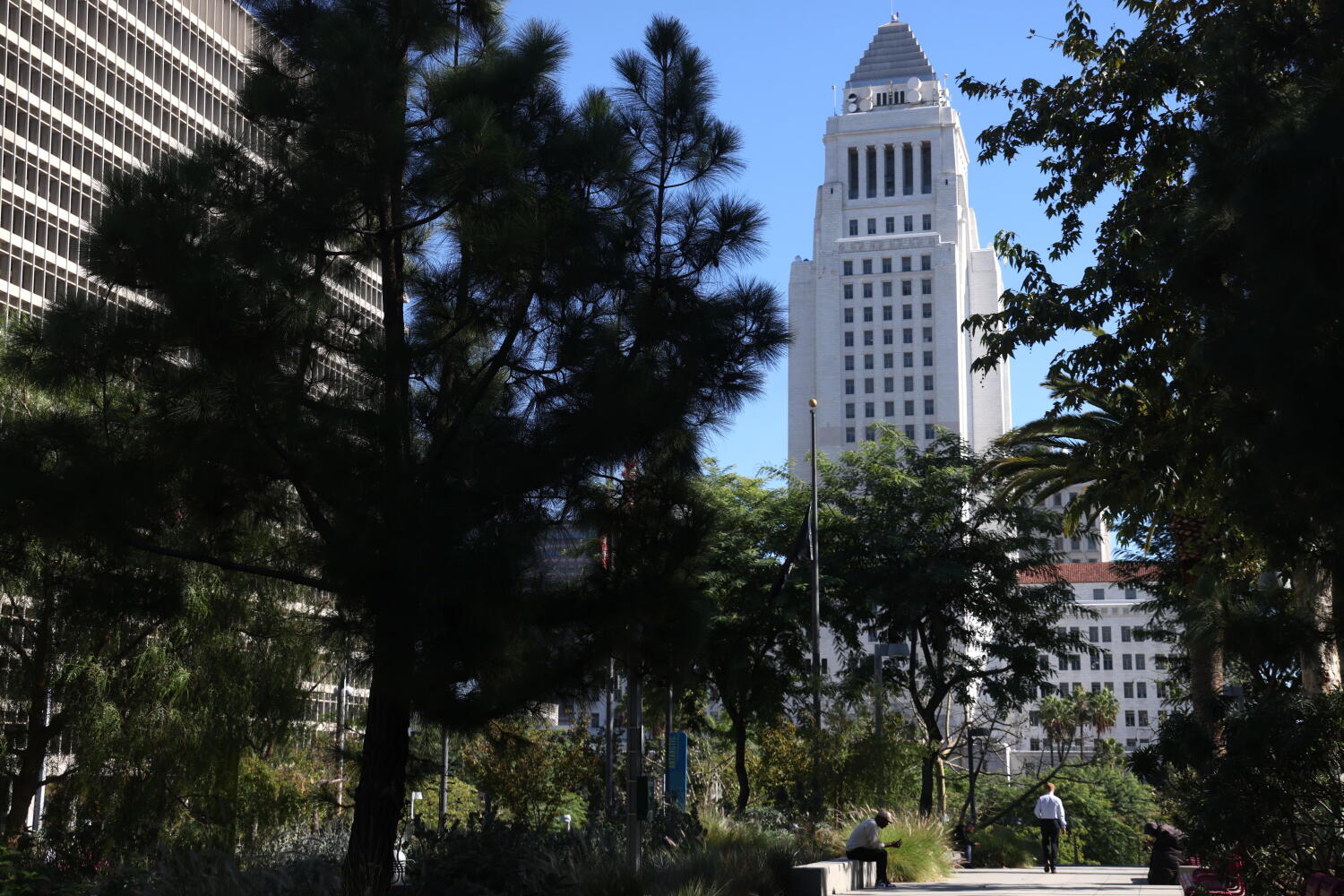
She gathered signatures. She read local ordinances late into the night until her eyes burned. But when she walked up to the clerk’s window on the second floor of City Hall to file the paperwork, the clerk didn’t ask for her evidence. She asked for her credit card.
The price to challenge a municipal decision had just been raised from a symbolic $25 administrative fee to a non-refundable $500.
Elena froze. Her monthly budget left her with roughly seventy-five dollars of discretionary income after medicine and groceries. Standing on that polished terrazzo floor, under the soft hum of fluorescent lights, she realized a bitter truth: accountability in her hometown now had a cover charge.
City councils rarely frame fee hikes as censorship. They call them fiscal responsibility.
When council members voted to increase appeal fees for zoning changes, historical preservation disputes, and code enforcement challenges, the official rationale sounded reasonable enough on paper. Processing appeals costs staff time. It takes legal counsel. It consumes hours of public hearings. Raising fees, the council argued, covers administrative overhead and deters "frivolous filings" that clog the municipal machine.
It is an elegant argument. It is also a fundamental betrayal of local governance.
Frivolous is a word easy to toss around when you are sitting on the dais with a microphone in front of you. But who defines what is frivolous? Is a family arguing against an unannounced traffic rerouting frivolous? Is an elderly homeowner questioning a drainage permit that threatens to flood her basement wasting the city's time?
When local government attaches a heavy price tag to the right to object, it creates a pay-to-play democracy. The wealthy property developer building a multi-million-dollar complex will view a $500 or even a $2,000 appeal fee as a rounding error—a tiny line item under legal expenses. But for a working-class tenant, a small business owner struggling with thin margins, or a fixed-income retiree, that same fee is an iron door slammed shut in their face.
The math is simple and brutal. The party with deep pockets retains its voice. The community loses its own.
To understand how dangerous this trend is, we have to look back at why administrative appeals exist in the first place.
After World War II, as American suburbs expanded and urban infrastructure exploded, state and local governments recognized a structural flaw in public administration. City staff and appointed boards were making thousands of micro-decisions every week—granting variances, issuing permits, approving setbacks. If a citizen wanted to challenge one of those decisions, their only recourse was to hire a lawyer and file a lawsuit in state court.
Courts were expensive, slow, and intimidating. So, municipalities created internal appeal processes—an intermediate layer of justice. It was designed to be low-cost, informal, and accessible. You didn't need a law degree to stand up at a podium and point out that a city inspector missed a crucial detail. The low fee was a deliberate design feature, built to ensure that power remained balanced between those who govern and those who live with the consequences of governance.
Erode that layer, and the system collapses back into inequality.
When a city council hikes appeal fees, they are not streamlining operations; they are erecting a tollbooth on the road to justice. They force residents to perform a cruel calculus: Is protecting my home, my air quality, or my neighborhood worth taking money out of my family’s emergency savings?
Consider what happens next when people choose to stay quiet because they simply cannot afford to speak.
A neighborhood loses a green space because nobody could afford the $500 fee to appeal a minor site plan modification. A historic structure is demolished because a preservation group’s treasury was drained by prior appeal costs. A small shop owner watches her delivery zone disappear behind a new curb design she never had a fair chance to contest.
These are not hypothetical tragedies. They are the slow, silent erosion of civic trust happening in towns and cities across the country.
The argument that higher fees are necessary to prevent system abuse crumbles under even light scrutiny. If a city council genuinely wants to eliminate frivolous appeals, there are structural tools already available that do not punish the poor.
Boards can institute pre-hearing summary reviews to dismiss baseless claims early. They can require clear standards of evidence before an appeal is docketed. They can create hardship waivers so that low-income residents aren't priced out of their basic rights.
Yet, time and again, councils skip these equitable solutions and head straight for the fee schedule. Why? Because high fees achieve two desirable outcomes for a bureaucratic body simultaneously: they generate revenue, and they manufacture quiet.
A silent public looks a lot like a satisfied public. But silence bought through financial intimidation is not consent. It is apathy enforced by invoice.
Elena never paid the $500. She couldn't.
Three months later, the construction crew poured the foundation for the retaining wall. Today, her garden sits in permanent shadow, the soil cold and damp. But the physical shade over her backyard is nothing compared to the shadow cast over her belief in local government.
"I always taught my students that everybody has a voice in this country," she told me recently, her hands resting quietly in her lap. "I realized I was wrong. You only have a voice if you can clear the check."
Local government is supposed to be the closest, most responsive layer of democracy we have. It is where we meet our neighbors, argue about our streets, and shape the places we call home. When our leaders place a high financial barrier on accountability, they send a message that is loud, clear, and utterly corrosive: Your input is only as valuable as your bank account.
We must demand that our city councils dismantle these financial barriers before the public square becomes a private club. Accountability isn't an administrative burden to be minimized. It is the very foundation of public trust—and it should never be for sale.