Day turned into an eerie twilight across parts of Europe, leaving millions staring skyward as the moon slid precisely between the earth and the sun. If you missed the August 12, 2026 total solar eclipse, you missed a historic celestial event. This wasn't just another routine passing of shadows. It marked mainland Europe's first total solar eclipse since 1999, and Spain's first full blackout in over a century.
From the volcanic ridges of Iceland to the sun-baked hills of northern Spain, hundreds of thousands of travelers, scientists, and casual spectators crammed into the narrow path of totality. Hotel prices in Reykjavík skyrocketed. Local authorities in Spain deployed tens of thousands of law enforcement officers to manage chaotic traffic bottlenecks and heavy crowds. If you liked this piece, you should check out: this related article.
The Logistics of Chasing Totality
Planning for an eclipse of this magnitude requires more than just booking a random flight. You have to understand geography and microclimates. The shadow didn't just zip across standard tourist hubs. It tracked an unusual path beginning in Arctic Russia, slicing through Greenland, hugging western Iceland, and diving straight down into the Iberian Peninsula.
In Iceland, towns like Reykjavík experienced their first total eclipse since 1433. Think about that gap for a second. Centuries of human history passed over this island nation without a single total solar blackout in the capital region. Naturally, accommodation sold out months in advance. Spots like the Westfjords and the Snæfellsnes Peninsula filled up with eager photographers setting up tripods on rugged black sand beaches. For another angle on this story, see the recent coverage from AFAR.
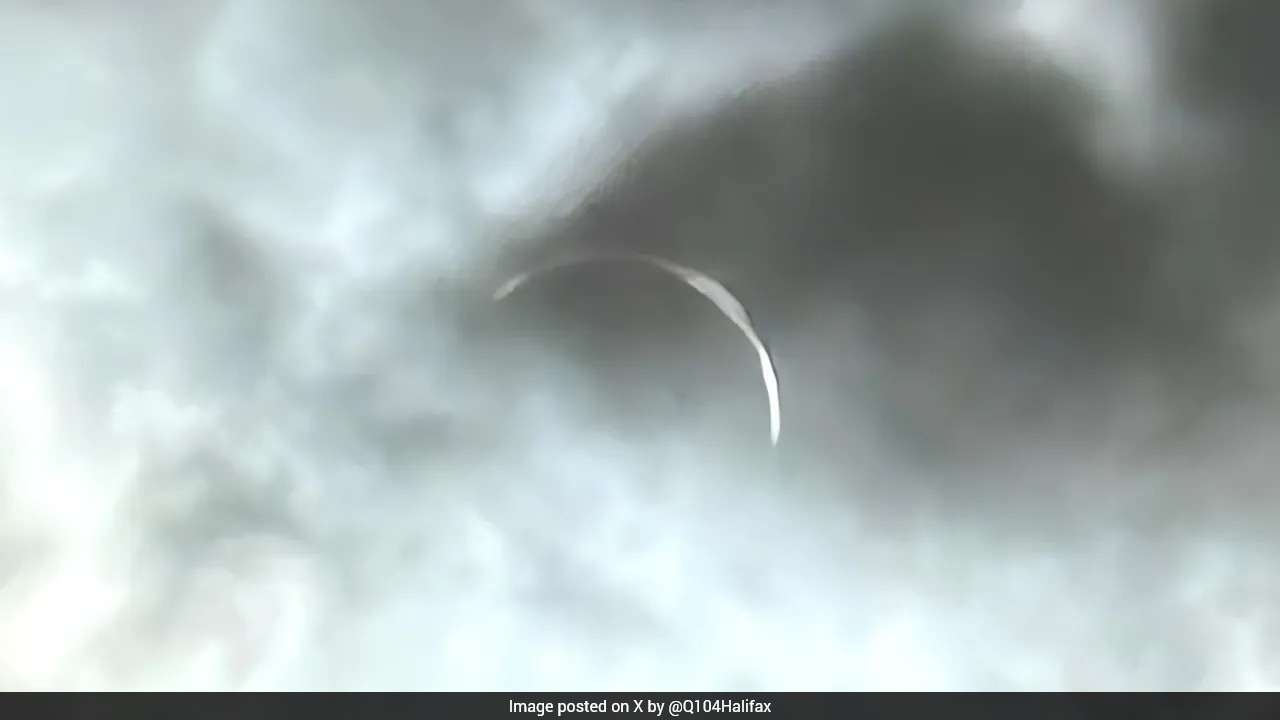
Yet, nature kept everyone on edge. Veteran chasers know that clear skies are never guaranteed. Heavy cloud cover threatened visibility across parts of Iceland right up until the final hour. Local scientists admitted to feeling genuine heartbreak when stubborn clouds threatened to block the view of the solar corona.
Spain Brought the Drama at Sunset
While Iceland watched the event in the late afternoon, Spain got a completely different visual experience. Totality hit the Iberian Peninsula just before sunset.
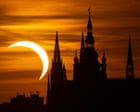
Instead of a high-noon black sun sitting directly overhead, viewers in cities like Bilbao, Santiago de Compostela, and across rural outposts watched an eclipsed sun sinking low toward the western horizon. That low angle transformed ordinary landscape photography into dramatic art. Silhouettes of ancient Spanish architecture framed a ring of fire and a glowing corona against an amber evening sky.
Temperatures dropped abruptly. Streetlights flickered on automatically across quiet towns as the sudden chill settled in. For roughly a minute and a half, time stood still. Astronauts and everyday tourists alike described the sudden drop in light as genuinely overwhelming, triggering goosebumps even for seasoned space professionals who understood the math behind orbital mechanics.
What Most People Mess Up When Watching an Eclipse
Amateurs make predictable mistakes during major celestial events. They buy cheap online filters, or worse, they rely on regular sunglasses during the partial phases.
You can't mess around with solar radiation. Certified eclipse glasses or professional solar filters on camera lenses are mandatory for every single second leading up to and immediately following totality. The golden rule is simple: the moment any sliver of the sun reappears, the eye protection goes right back on. People who took off their glasses too early during the 2026 event risked permanent retinal damage just to catch an extra half-second of the corona.
Another major error is staying stationary in a microclimate prone to coastal fog or sudden cloud banks. Experienced chasers keep rental cars fueled and check satellite weather models obsessively on eclipse day, ready to drive an hour inland to punch through a cloud layer at a moment's notice.
The Real Cost of Eclipse Tourism
Overtourism isn't just an issue for summer beaches in Greece or historic blocks in Rome. Remote parts of Iceland and rural Spanish towns faced sudden infrastructure strain. Rental car fleets vanished. Rural roads bottlenecked with international plates.
Communities caught inside the narrow path of totality experienced a massive economic spike, but local infrastructure creaked under the weight. Gas stations ran low on supplies. Restaurants booked out days ahead. If you plan to catch future celestial alignments—such as the upcoming totality scheduled for southern Spain and northern Africa—booking basic logistics two years out isn't overly cautious. It is mandatory.
Grab your calendar, track the upcoming paths, and start looking at remote accommodations now before the crowds catch on.