The digital ticker on the gas station sign across the street from my office flickers. For weeks, it has been a cruel scoreboard, mocking every commuter who passes with a number that starts with a five. Inside the glass-and-steel towers of the financial district, that same number is a ghost. It haunts the spreadsheets of logistics managers and the nightmares of airline executives. When oil sits above $100 a barrel, the world feels heavy. It is a friction that slows down every spinning gear of modern life.
Then, the whisper started.
It wasn't a shout. It was a subtle shift in the tectonic plates of geopolitics, originating from a conference room thousands of miles away where diplomats were trying to do the impossible: trade a nuclear freeze for a flooded market. The news that a US-Iran peace deal might actually be within reach hit the trading floors like a sudden cold front.
Oil didn't just drop. It tumbled. It fell through the $100 floor as if the floor had never been there at all.
The Invisible String
To understand why a few pens moving across a parchment in Vienna or Washington matters to a farmer in Iowa or a delivery driver in London, you have to look at the invisible string. Everything you touch today—the plastic casing of your phone, the synthetic fibers in your shirt, the blueberries sitting in your fridge that were trucked in from three states away—is essentially a congealed form of energy.
When oil is expensive, that string tightens. It pulls on the margins of small businesses until they snap.
Consider Sarah. She isn't a real person, but she is a composite of a thousand voices I’ve heard in the last six months. She runs a small boutique catering company. For Sarah, oil at $120 isn't an abstract economic indicator. It is the reason her vegetable supplier just added a 15% "fuel surcharge" to her weekly invoice. It is the reason she has to tell a bride that the wedding menu they agreed on in January now costs an extra $2,000.
When the price of Brent Crude or West Texas Intermediate (WTI) drops below that psychological $100 barrier, the string slackens. The pressure on Sarah’s chest eases, even if just by a fraction.
The Architecture of a Thaw
The sudden downward trajectory of the markets is rooted in a simple, cold calculation of volume. For years, Iran has been a locked vault. Because of sanctions, millions of barrels of their crude have been sitting in floating storage or trapped beneath the earth, unable to reach the thirsty engines of the West.
A peace deal, or even the credible "hope" of one, acts as a key to that vault.
Traders are a nervous, forward-looking species. They don't wait for the oil to actually hit the tankers; they trade on the probability of it happening. The moment the headlines suggested that the US and Iran were finding common ground, the "risk premium"—that extra bit of cost added because people are afraid of war or shortages—evaporated.
Suddenly, the market realized it might not be as starved as it feared.
The Psychology of the Three-Digit Mark
There is nothing inherently magical about the number 100. The physics of an engine don't change when a barrel of oil costs $100.01 versus $99.99. But humans are obsessed with milestones.
In the trading pits, $100 is a wall. It is a symbol of a world out of balance. When we stay above it for too long, a sense of "inflationary permanence" sets in. People stop spending because they expect everything to get more expensive tomorrow. It creates a feedback loop of gloom.
Watching the price slide to $98, then $95, feels like a fever breaking.
But this isn't just about math. It’s about the staggering complexity of human trust. Think about the irony: two nations that have spent decades in a state of cold, simmering hostility are now the primary reason your commute might get cheaper. The same diplomats who were trading barbs on social media are now, by proxy, the people deciding whether a logistics company in Ohio can afford to hire two more drivers this quarter.
The Fragility of the Moment
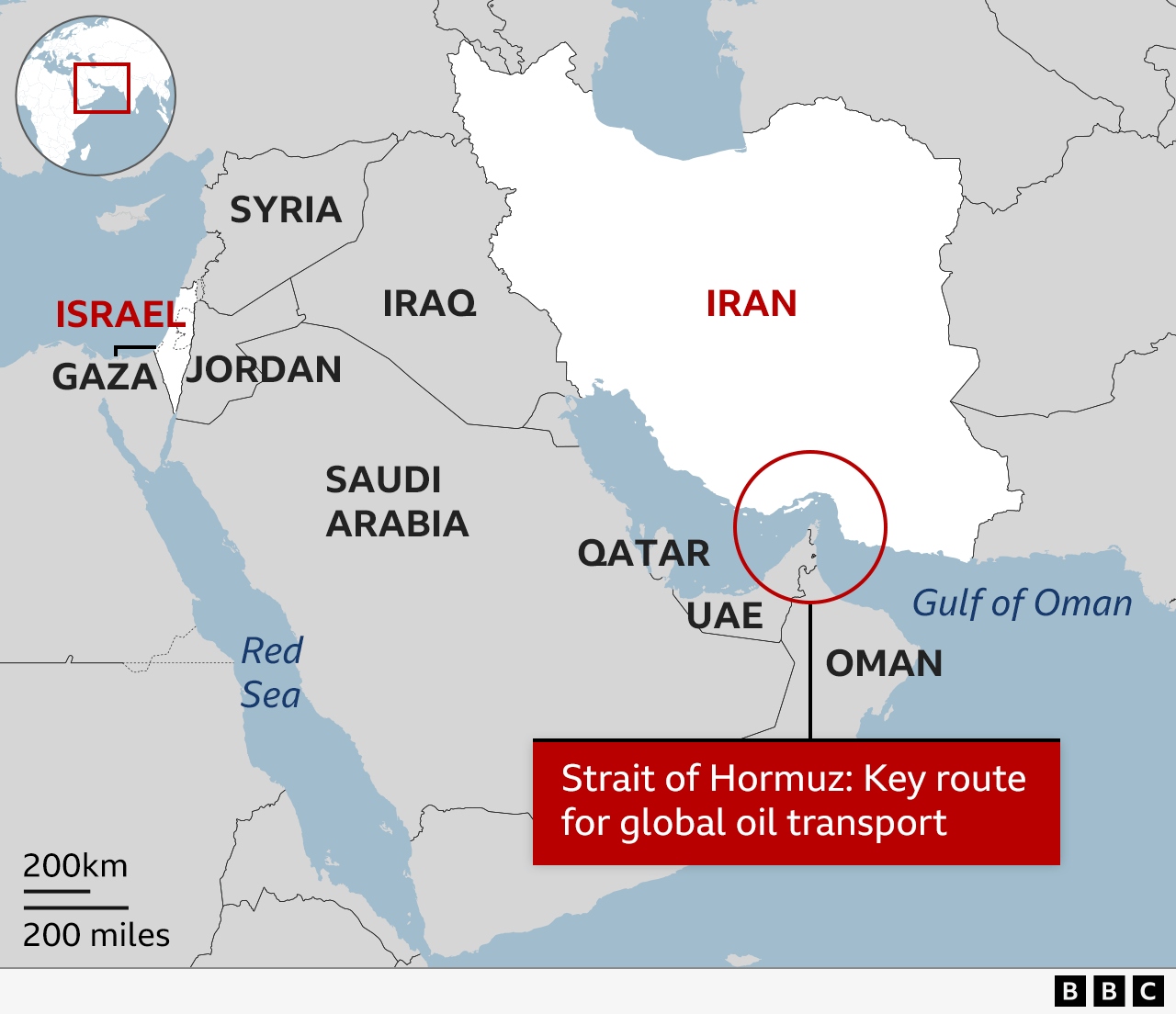
It would be a mistake to assume the dragon is slain. The drop in oil prices is built on "hope," and hope is the most volatile commodity on earth. A single misstep in negotiations, a stray comment from a hardliner in Tehran, or a sudden flare-up of tension in the Strait of Hormuz could send the price screaming back into triple digits.
We are living in a moment of profound equilibrium.
On one side, you have the crushing weight of global demand as economies try to roar back to life. On the other, you have the potential for a massive new supply of Iranian oil to act as a cooling agent.
I remember talking to an old floor trader who had lived through the oil shocks of the 1970s. He told me that oil isn't a commodity; it's a mood ring. When the world is optimistic and peaceful, the ring is blue, and the prices are low. When the world is paranoid and fractured, the ring turns black, and the prices soar.
Right now, for the first time in a long time, the ring is flickering toward blue.
Beyond the Pump
The ripple effects of this tumble go far deeper than the price of 87-octane. When energy costs fall, central banks breathe a sigh of relief. The monster of inflation, which has been clawing at the doors of the middle class, loses a bit of its strength. If oil stays down, the pressure to aggressively raise interest rates might soften.
That means the mortgage you’re trying to get, or the credit card debt you’re trying to pay off, becomes slightly more manageable.
It is all connected.
The peace deal isn't just a win for diplomats or a talking point for politicians. It is a release valve for a global economy that has been running dangerously hot. It is the difference between a small business owner deciding to expand or deciding to close their doors.
We often think of history as a series of grand events—wars, elections, treaties. But history is actually experienced in the quiet moments: the sigh of relief when a grocery bill is $20 cheaper, the decision to take a family road trip that seemed too expensive a month ago, the feeling that perhaps, just perhaps, the world is becoming a little less chaotic.
The ticker on the gas station sign continues to flicker. The numbers are changing. In a world of constant noise, the sound of oil falling below $100 is the most meaningful silence we've had in years.
The tankers are waiting in the Persian Gulf, their hulls heavy with the potential to change the global temperature. As the ink nears the paper in those distant conference rooms, the rest of us wait, watching the numbers, hoping the fever doesn't return.